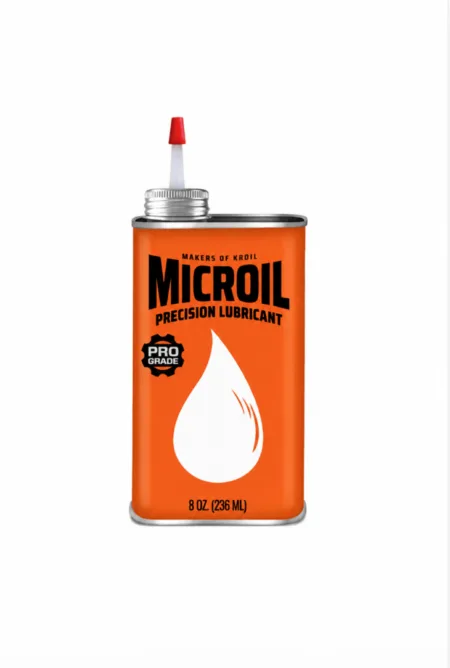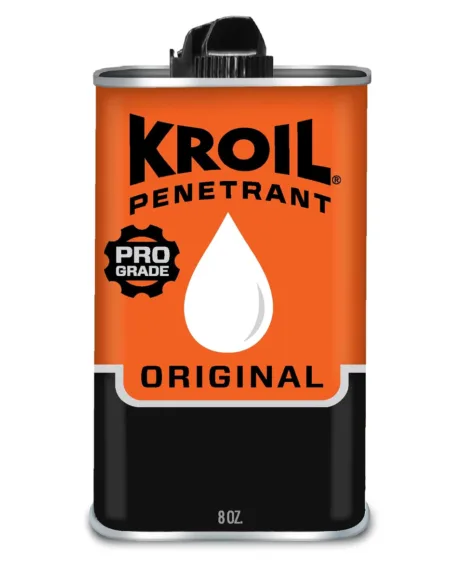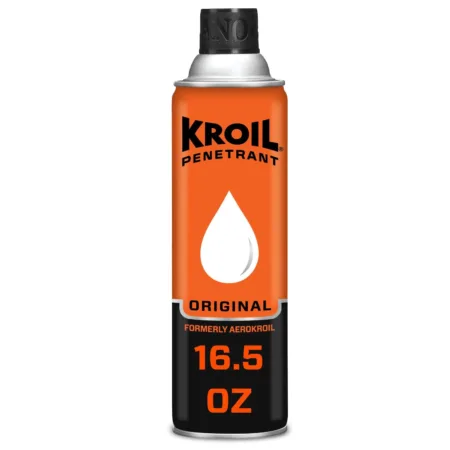
Kroil and Microil come from the same maker, Kano Laboratories, but do opposite jobs. Kroil Original is a penetrating oil that creeps into rusted threads to free seized parts; Microil is a light precision lubricant for gauges, meters, clocks, firearms and small mechanisms that need a thin, long-lasting oil film. Use Kroil to get a part moving, and Microil to keep a delicate mechanism moving.
Products in this guide
 Kroil KL081 Original Penetrating Oil, 8 oz Drip Bottle Original price was: $20.99.$19.99Current price is: $19.99.
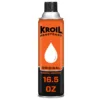 Kroil KS162 AeroKroil Original Penetrant, 16.5 oz Aerosol Original price was: $35.99.$31.59Current price is: $31.59.
Kroil vs Microil at a glance
| Property (Kano data) | Kroil Original Penetrant | Microil MC081 |
|---|---|---|
| Purpose | Penetrant: loosen frozen and corroded parts | Precision instrument lubricant |
| Base | Petroleum distillates (30-50%) and LVP aliphatic hydrocarbon (20-40%) | Highly refined mineral oil (100%) |
| Color | Slightly reddish | Amber |
| Viscosity | Not published | 28.8 cSt at 40°C (104°F), low viscosity |
| Low temperature | Not published | Lubricates to -50°F |
| Flash point | 132°F (55.5°C) TOC; flammable liquid | 327°F (164°C) COC; not flammable per SDS |
| Evaporation and gumming | Not published | Low evaporation; will not gum |
| Listings | NSF H2 nonfood compound (Reg. #165745, liquid); 50-state VOC compliant | 50-state VOC compliant |
What Kroil Original is for
Kano describes Kroil as a petroleum-based penetrating oil that works by capillary action: it flows into the microscopic gaps between corroded surfaces, displaces moisture and reduces the adhesion that keeps a part locked, so it can be turned with less force. Kano lists frozen nuts and bolts, corroded fasteners, shafts, pulleys, bearings and bearing mounts, and equipment disassembly among its uses. It typically starts working in 15 to 30 minutes, and Kano recommends a soak of several hours or overnight for heavily seized parts.
Kroil leaves a light film, but it is made to flow, not to stay. Its flash point is 132°F, so it is a flammable liquid, and its safety data sheet includes skin, eye and aspiration warnings. That makes it the wrong choice as the permanent oil inside a clock, gauge or instrument. We stock it as the Kroil KL081 Original Penetrant 8 oz drip bottle for bench work and as the Kroil KS162 AeroKroil 16.5 oz aerosol for spraying into hard-to-reach fasteners.
What Microil is for
Microil is Kano’s long-lasting precision instrument lubricant. Kano lists bearings and mechanisms in precision instruments, gauges, meters, clocks, micrometers, counters, controls, firearms, light machinery, office machines and other small mechanisms as its applications. Three properties explain why it suits that work:
- Low viscosity (28.8 cSt at 40°C): it wicks into small bearings and pivots without adding drag.
- Low evaporation and no gumming: it stays in place between service intervals instead of drying out or turning sticky.
- Non-corrosive: Kano states it will not damage materials, and its SDS does not classify it as hazardous or flammable.
It also lubricates down to -50°F, which matters for outdoor gauges, instruments in unheated buildings and equipment used in winter. We stock the Kroil MC081 Microil precision lubricant, 8 oz drip can; the drip spout puts a drop exactly where you want it.
Using both: free it with Kroil, lubricate it with Microil
Many repairs need both products in sequence. A seized micrometer thimble, a stuck gauge mechanism or a frozen pivot on a small machine might go like this:
- Apply Kroil to the stuck joint and let it soak (15 to 30 minutes, or overnight if it is badly corroded).
- Work the part gently until it moves freely; reapply Kroil if needed.
- Clean out the Kroil and the loosened rust and debris with a cleaner suited to the parts.
- Apply a drop of Microil to each bearing point or pivot, operate the mechanism and wipe off the excess.
The order matters: Kroil gets in where oil cannot and breaks the corrosion bond; Microil is the oil you want left behind.
Is Microil a clock oil substitute?
Kano lists clocks among Microil’s uses, and its low viscosity, low evaporation and no-gum properties are what light mechanisms need. For everyday clocks and timers it is a reasonable choice. For antique or high-value movements, follow the oil specification of the clockmaker or a professional restorer, since some movements call for specific horological oils at specific points.
Microil for firearms and precision tools
Kano lists firearms and micrometers among Microil’s applications. Put a drop where metal parts pivot or slide, work the action and wipe off the excess; follow your firearm maker’s lubrication guidance. For loosening rust or carbon in a stuck part, Kroil is the penetrant; note Kano’s caution that Kroil penetrants can creep under and lift an already damaged blued finish, so wipe off any overspray with a clean, dry cloth.
Safety and storage
- Kroil: keep away from flames, sparks and hot surfaces; use with ventilation; prolonged contact may soften or swell some plastics and rubbers.
- Microil: not classified as hazardous, but keep it out of eyes and away from children like any oil.
- Read the label and SDS before use. Kroil and Microil SDS files are on our technical documents page.
Frequently asked questions
What is the difference between Kroil and Microil?
Kroil is a penetrating oil for freeing rusted parts; Microil is a light, low-evaporation lubricant for precision instruments and small mechanisms.
Can I use Kroil as a lubricant for gauges or clocks?
Not as the permanent oil. Kroil is a thin, flammable penetrant made to flow; Microil is made to stay in place without gumming.
What is Microil used for?
Kano lists precision instruments, gauges, meters, clocks, micrometers, counters, controls, firearms, light machinery and office machines.
Is Microil flammable?
Its SDS does not classify it as flammable, and its flash point is 327°F (164°C).
Bottom line
Use Kroil to free a part and Microil to lubricate it. Kroil is the flammable, fast-creeping penetrant; Microil is the non-flammable, low-evaporation instrument oil that lubricates to -50°F. For more on Kroil itself, read what Kroil is used for and how AeroKroil, SiliKroil and liquid Kroil compare. Browse penetrating oils and greases and oils.
Products in this guide
-
Kroil
Kroil MC081 Microil Precision Lubricant, 8 oz Drip Can
Original price was: $23.99.$21.99Current price is: $21.99.Out of stock
Read more -
Kroil
Kroil KL081 Original Penetrating Oil, 8 oz Drip Bottle
Original price was: $20.99.$19.99Current price is: $19.99.In stock — ships in 1–3 days
- Ground ship only
- Made in USA
-
Kroil
Kroil KS162 AeroKroil Original Penetrant, 16.5 oz Aerosol
Original price was: $35.99.$31.59Current price is: $31.59.In stock — ships in 1–3 days
- Ground ship only
- Made in USA