
Showing all 28 results
-
Super Lube
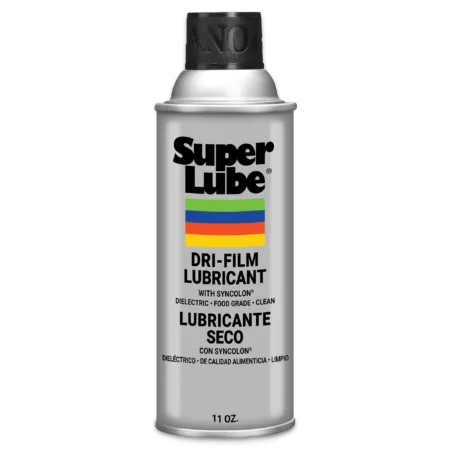
Super Lube 11016 Dri-Film Lubricant with Syncolon, 11 oz Aerosol
$16.99In stock — ships in 1–3 days
- Ground ship only
- NSF H1 food grade
-
Super Lube
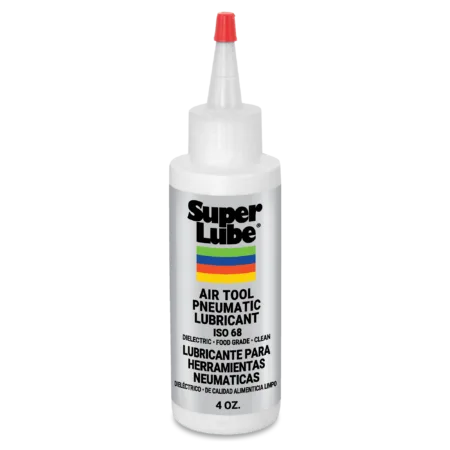
Super Lube 12004 Air Tool Lubricant, 4 oz Bottle
Original price was: $13.99.$10.99Current price is: $10.99.In stock — ships in 1–3 days
- NSF H1 food grade
- Made in USA
-
Super Lube
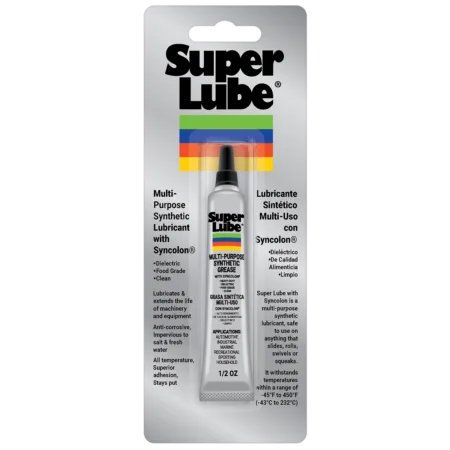
Super Lube 21010 Multi-Purpose Synthetic Grease with Syncolon, 0.5 oz Tube
Original price was: $25.18.$21.18Current price is: $21.18.In stock — ships in 1–3 days
- NSF H1 food grade
- Dielectric
-
Super Lube
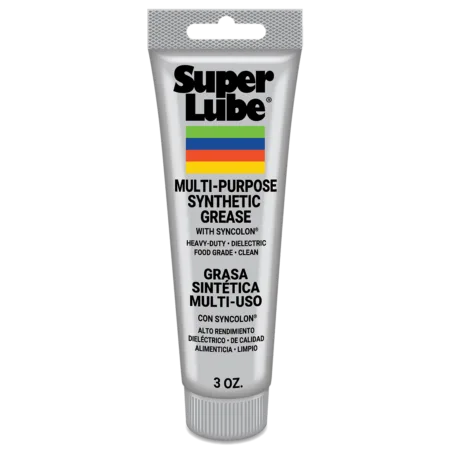
Super Lube 21030 Multi-Purpose Synthetic Grease with Syncolon, 3 oz Tube
$11.99In stock — ships in 1–3 days
- NSF H1 food grade
- Dielectric
-
Super Lube
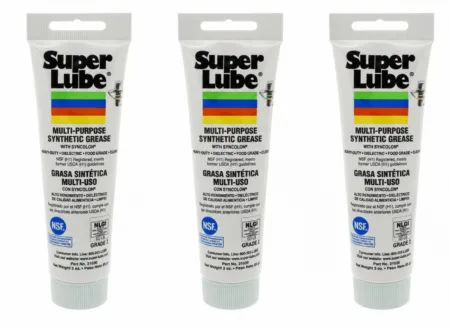
Super Lube 21030 Multi-Purpose Synthetic Grease with Syncolon, 3 oz Tube (Pack of 3)
$26.99$9.00 / tube
In stock — ships in 1–3 days
- NSF H1 food grade
- Dielectric
-
Super Lube
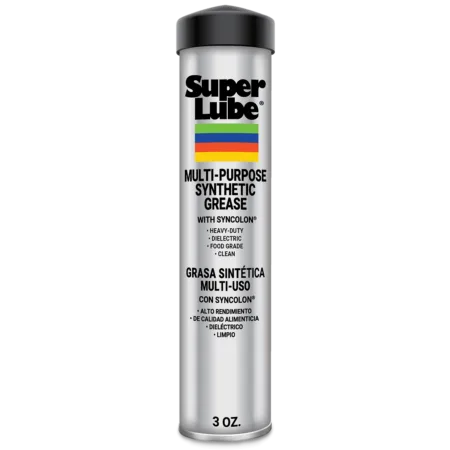
Super Lube 21036 Multi-Purpose Synthetic Grease with Syncolon, 3 oz Cartridge
Original price was: $55.39.$48.00Current price is: $48.00.In stock — ships in 1–3 days
- NSF H1 food grade
- Dielectric
-
Super Lube
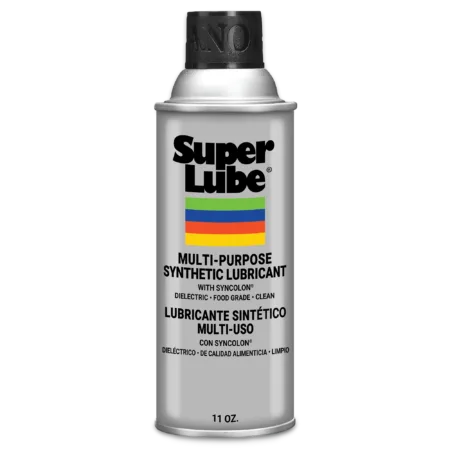
Super Lube 31110 Multi-Purpose Synthetic Lubricant with Syncolon, 11 oz Aerosol
$19.99In stock — ships in 1–3 days
- Ground ship only
- NSF H1 food grade
-
Super Lube
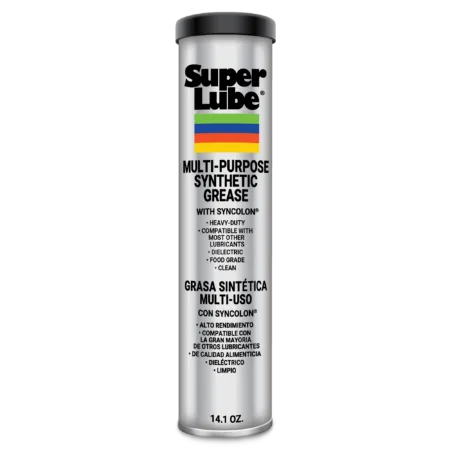
Super Lube 41150 Multi-Purpose Synthetic Grease with Syncolon, 14.1 oz Cartridge
$70.00In stock — ships in 1–3 days
- NSF H1 food grade
- Dielectric
-
Super Lube
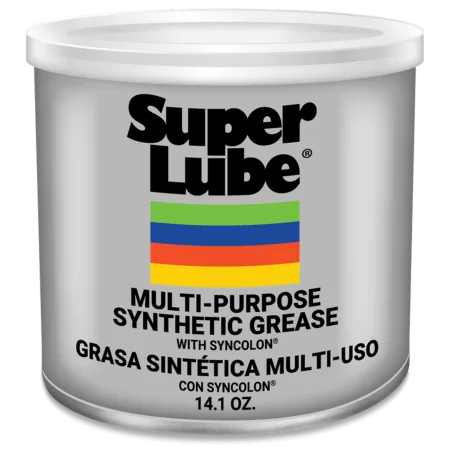
Super Lube 41160 Multi-Purpose Synthetic Grease with Syncolon, 14.1 oz Canister
$18.99In stock — ships in 1–3 days
- NSF H1 food grade
- Dielectric
-
Super Lube
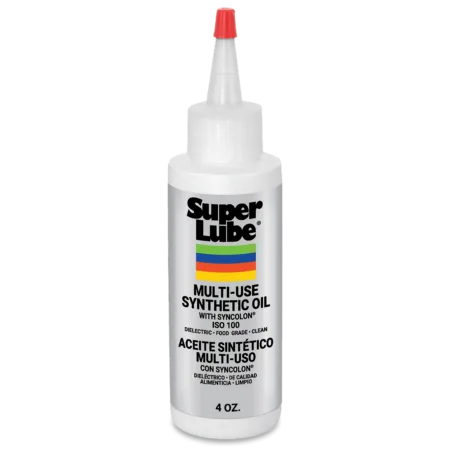
Super Lube 51004 Multi-Purpose Synthetic Oil with Syncolon, 4 oz Bottle
Original price was: $12.99.$9.99Current price is: $9.99.In stock — ships in 1–3 days
- NSF H1 food grade
- Made in USA
-
Super Lube
Super Lube 51004 Multi-Purpose Synthetic Oil with Syncolon, 4 oz Bottle (Pack of 3)
$28.99$9.66 / bottle
In stock — ships in 1–3 days
- NSF H1 food grade
- Made in USA
-
Super Lube
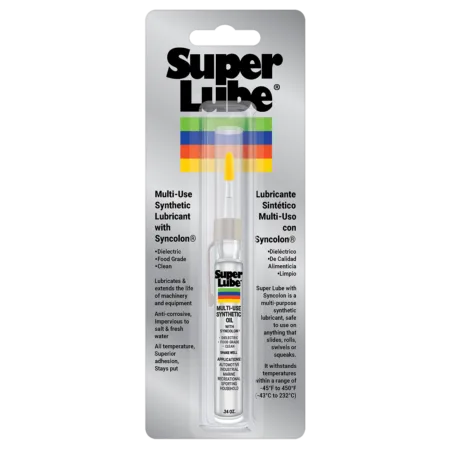
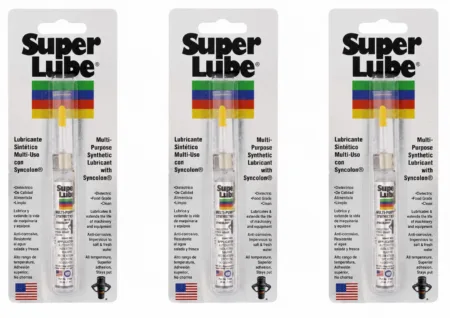
Super Lube 51010 Multi-Purpose Synthetic Oil with Syncolon, 7 mL Precision Oiler
Original price was: $24.39.$16.99Current price is: $16.99.In stock — ships in 1–3 days
- NSF H1 food grade
- Made in USA
-
Super Lube
Super Lube 51010 Multi-Purpose Synthetic Oil with Syncolon, 7 mL Precision Oiler (Pack of 3)
$51.00$17.00 / oiler
In stock — ships in 1–3 days
- NSF H1 food grade
- Made in USA
-
Super Lube
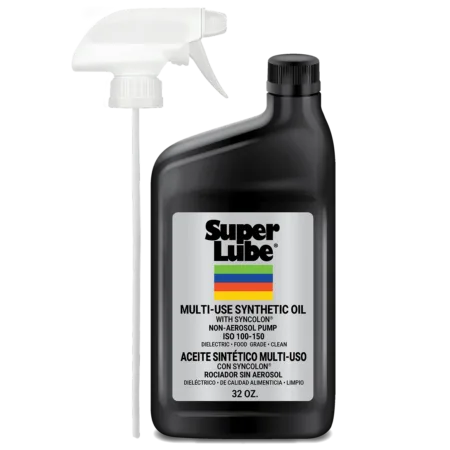
Super Lube 51600 Multi-Purpose Synthetic Oil with Syncolon, 1 qt Trigger Sprayer
$30.99In stock — ships in 1–3 days
- NSF H1 food grade
- Made in USA
-
Super Lube
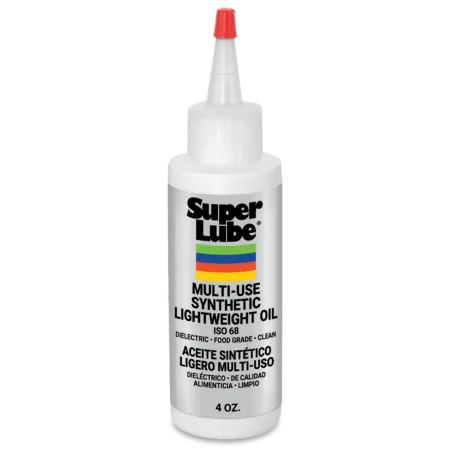
Super Lube 52004 Synthetic Lightweight Oil, 4 oz Bottle
Original price was: $13.99.$10.99Current price is: $10.99.In stock — ships in 1–3 days
- NSF H1 food grade
- Made in USA
-
Super Lube
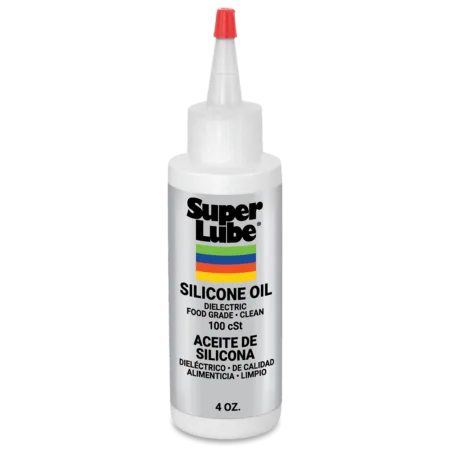
Super Lube 56104 Silicone Oil 100 cSt, 4 oz Bottle
$30.00In stock — ships in 1–3 days
- NSF H1 food grade
- Dielectric
-
Super Lube
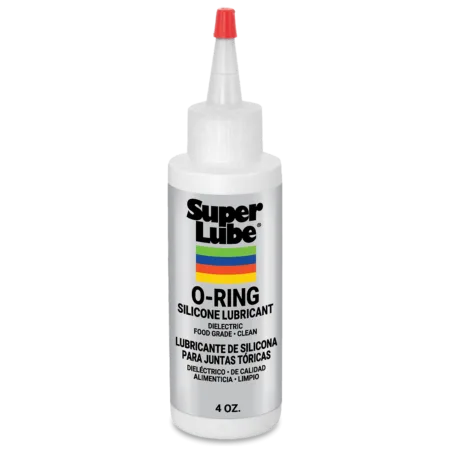
Super Lube 56204 O-Ring Silicone Lubricant, 4 oz Bottle
Original price was: $14.99.$11.99Current price is: $11.99.In stock — ships in 1–3 days
- NSF H1 food grade
- Dielectric
-
Super Lube
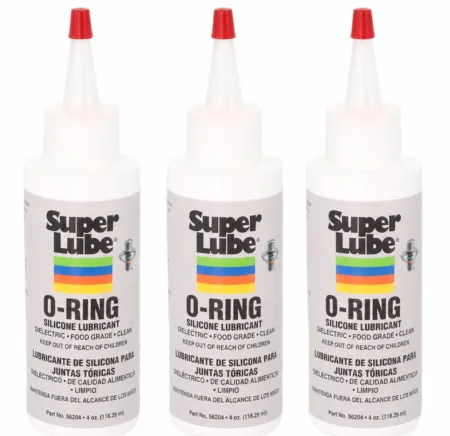
Super Lube 56204 O-Ring Silicone Lubricant, 4 oz Bottle (Pack of 3)
$34.99$11.66 / bottle
In stock — ships in 1–3 days
- NSF H1 food grade
- Dielectric
-
Super Lube
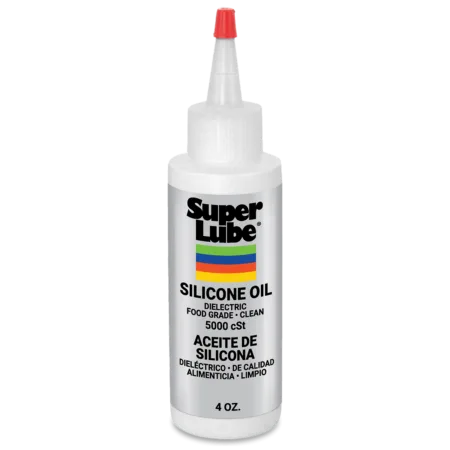
Super Lube 56504 Silicone Oil 5000 cSt, 4 oz Bottle
Original price was: $14.80.$10.99Current price is: $10.99.In stock — ships in 1–3 days
- NSF H1 food grade
- Dielectric
-
Super Lube
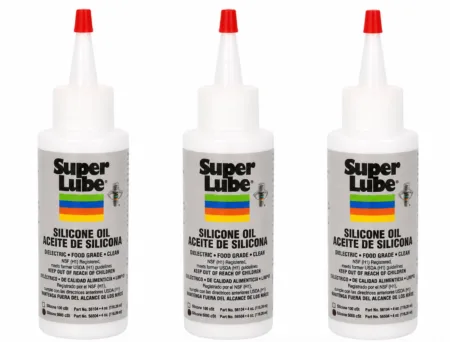
Super Lube 56504 Silicone Oil 5000 cSt, 4 oz Bottle (Pack of 3)
$28.99$9.66 / bottle
Only 2 left — ships in 1–3 days
- NSF H1 food grade
- Dielectric
-
Super Lube
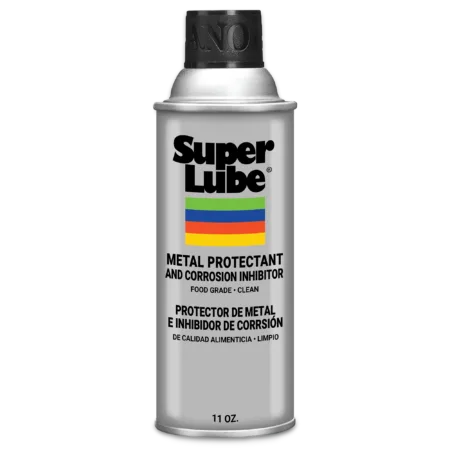
Super Lube 83110 Metal Protectant & Corrosion Inhibitor, 11 oz Aerosol
$15.99In stock — ships in 1–3 days
- Ground ship only
- NSF H1 food grade
-
Super Lube
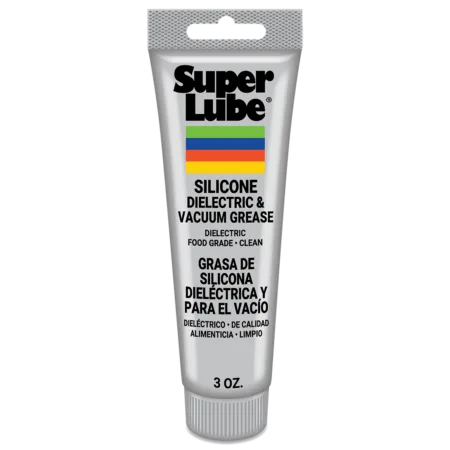
Super Lube 91003 Silicone Dielectric & Vacuum Grease, 3 oz Tube
$15.99In stock — ships in 1–3 days
- NSF H1 food grade
- Dielectric
-
Super Lube
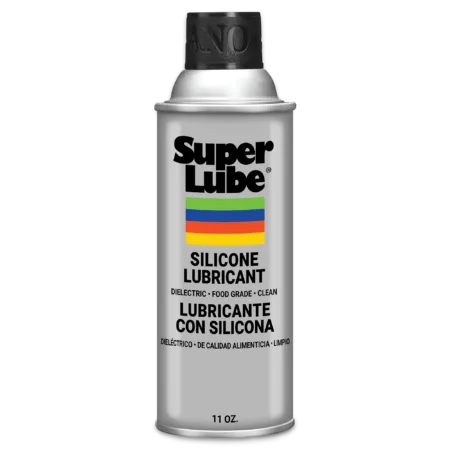
Super Lube 91110 Silicone Lubricant, 11 oz Aerosol
$16.99In stock — ships in 1–3 days
- Ground ship only
- NSF H1 food grade
-
Super Lube
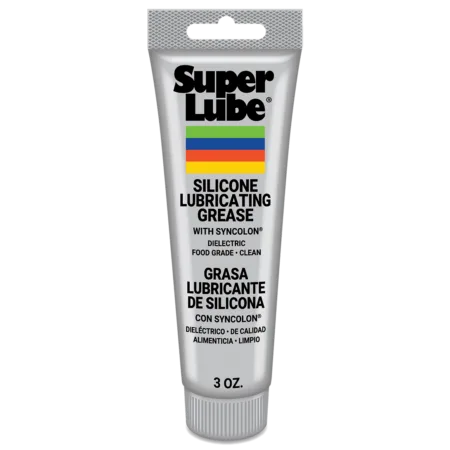
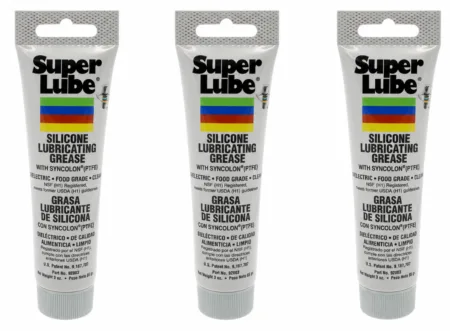
Super Lube 92003 Silicone Lubricating Grease with Syncolon, 3 oz Tube
Original price was: $14.99.$13.99Current price is: $13.99.In stock — ships in 1–3 days
- NSF H1 food grade
- Dielectric
-
Super Lube
Super Lube 92003 Silicone Lubricating Grease with Syncolon, 3 oz Tube (Pack of 3)
$45.99$15.33 / tube
In stock — ships in 1–3 days
- NSF H1 food grade
- Dielectric
-
Super Lube
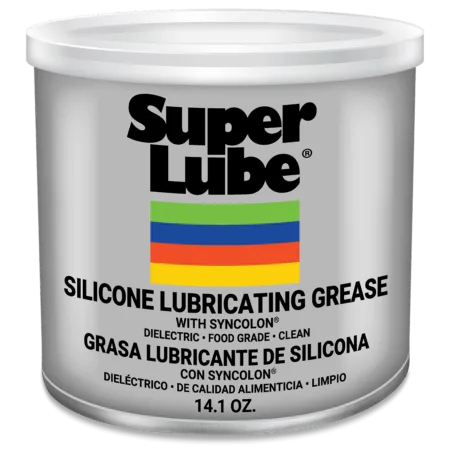
Super Lube 92016 Silicone Lubricating Grease with Syncolon, 14.1 oz Canister
$50.00In stock — ships in 1–3 days
- NSF H1 food grade
- Dielectric
-
Super Lube
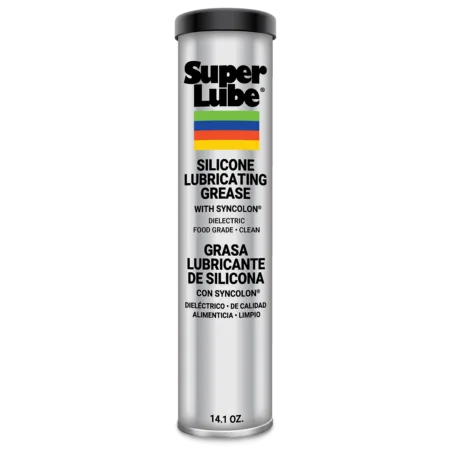
Super Lube 92150 Silicone Lubricating Grease with Syncolon, 14.1 oz Cartridge
Original price was: $12.30.$11.99Current price is: $11.99.In stock — ships in 1–3 days
- NSF H1 food grade
- Dielectric
-
Super Lube
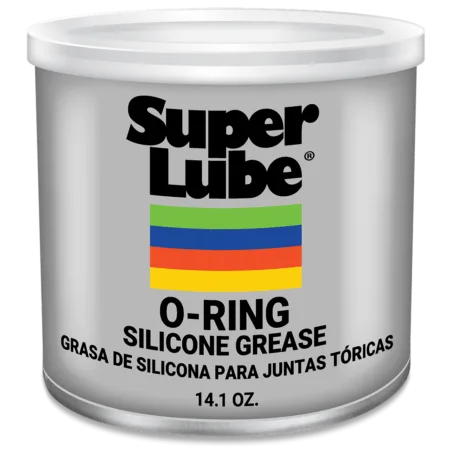
Super Lube 93016 O-Ring Silicone Grease, 14.1 oz Canister
$30.99In stock — ships in 1–3 days
- NSF H1 food grade
- Dielectric
How to choose an NSF H1 lubricant
| Job | Super Lube product (NSF H1 reg. no.) | Type |
|---|---|---|
| Bearings, slides, conveyors, chains | 21010, 21030, 21036, 41150, 41160 (#096790) | PTFE synthetic grease, NLGI 2 |
| Gaskets, seals, plastic parts, bushings | 92003, 92150, 92016 (#141974); 91003 (#141973) | Silicone grease, NLGI 2 |
| O-rings and valves | 56204 (#156449); 93016 (#156444) | Silicone fluid and silicone grease |
| Gears, chains, machine ways, motors | 51004, 51010, 51600 (#136742); 52004 (#136306) | Synthetic oil, ISO 100 and ISO 68 |
| Air tools | 12004 (#127200) | ISO 68 air tool oil |
| Chutes, tables, damping, rubber parts | 56104 and 56504 (#151067) | Silicone oil, 100 and 5,000 cSt |
| Spray application | 31110 (#125824), 11016 (#136743), 91110 (#136589), 83110 (#156447) | Grease, dry-film, silicone and metal-protectant aerosols |
Where food grade lubricants are used
- Food and beverage processing and packaging lines
- Conveyors, mixers, slicers and filling equipment
- Valves, pumps and water-treating equipment
- Commercial kitchen equipment and small appliances, following the maker's service instructions
How to apply in a food plant
- Clean the lube point first and purge old grease, as Super Lube recommends, so a non-H1 product does not stay mixed in.
- Apply only as much as the part needs and wipe off excess that could reach product zones.
- Record the product and its NSF registration number in your lubrication schedule or food safety plan.
Frequently asked questions
What does NSF H1 mean?
H1 is NSF's category for lubricants acceptable where incidental food contact may occur. It replaced the former USDA H1 authorization, and Super Lube's data sheets list each product's H1 registration number.
What is the difference between H1 and H2?
H2 lubricants are for food plants only where there is no possibility of food contact. For example, our Kroil KL081 and KL011 penetrating oils are NSF H2 listed, so they belong outside the food zone.
Can you eat food grade grease?
No. H1 registration covers incidental, trace contact, not use as an ingredient, so keep the amount to the minimum the part needs.
What grease is safe for a stand mixer?
Use the type and amount the mixer's maker specifies. If it calls for an NSF H1 food-grade grease, Super Lube 41160 is the 14.1 oz canister of the H1 multi-purpose synthetic grease and 21030 the 3 oz tube.
Is every Super Lube product food grade?
No. The 82003 connector gel and 98003 heat sink compound, for example, are not NSF H1 registered. Only the items on this page show an H1 number in their specifications.
Related: Super Lube grease guide, O-ring lubricant and our Technical & Safety Data Sheets library, where each data sheet shows the registration number.