
Showing all 18 results
-
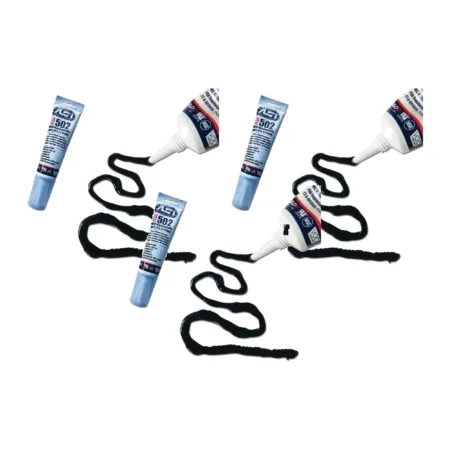
ASI
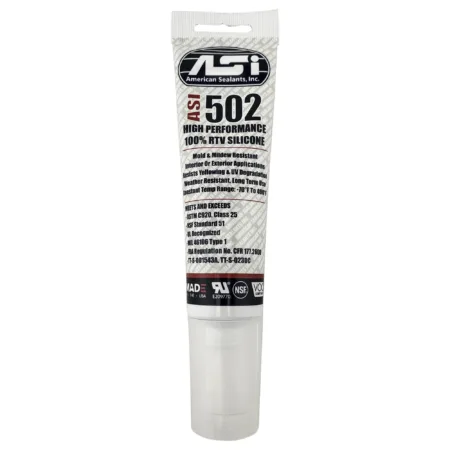
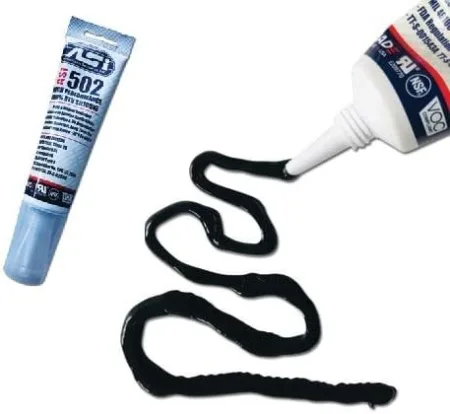
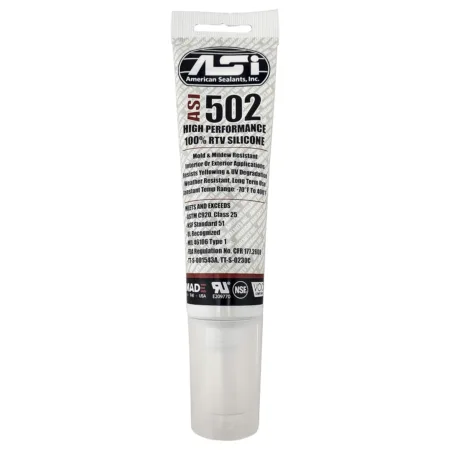
ASI 502 100% RTV Silicone Sealant, Clear, 2.8 oz Squeeze Tube
Original price was: $10.90.$7.30Current price is: $7.30.In stock — ships in 1–3 days
Add to cart -
ASI
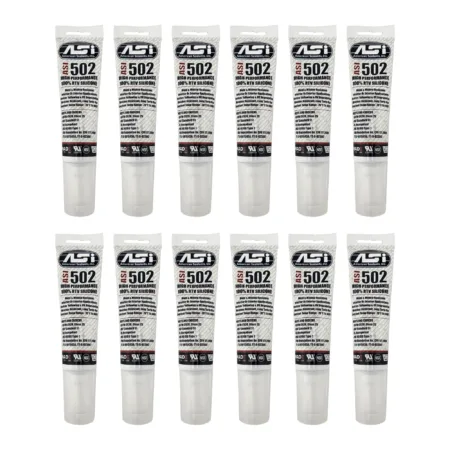
ASI 502 100% RTV Silicone Sealant, Clear, 2.8 oz Squeeze Tube (Pack of 12)
Original price was: $87.60.$47.99Current price is: $47.99.$4.00 / tube
In stock — ships in 1–3 days
Add to cart -
ASI
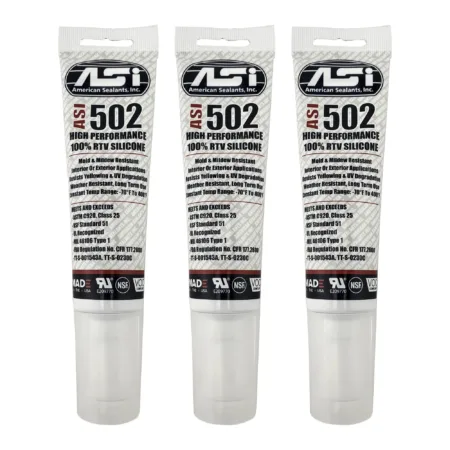
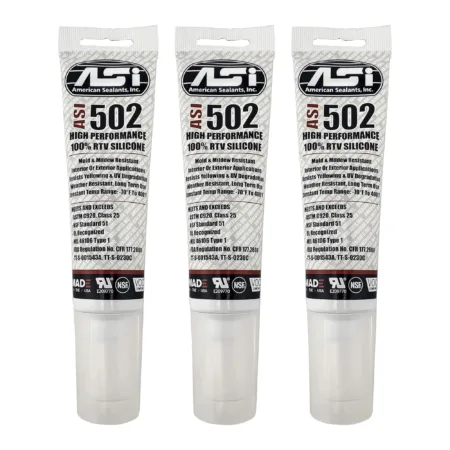
ASI 502 100% RTV Silicone Sealant, Clear, 2.8 oz Squeeze Tube (Pack of 3)
Original price was: $21.90.$12.99Current price is: $12.99.$4.33 / tube
In stock — ships in 1–3 days
Add to cart -
ASI
ASI 502 100% RTV Silicone Sealant, Clear, 2.8 oz Squeeze Tube (Pack of 6)
Original price was: $43.80.$24.99Current price is: $24.99.$4.17 / tube
In stock — ships in 1–3 days
Add to cart -
ASI
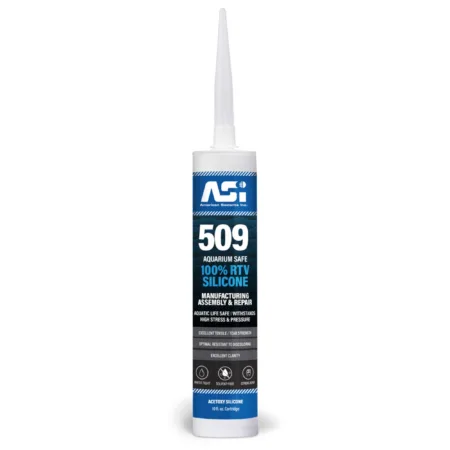
ASI 509 Aquarium Silicone Sealant, Black, 10.2 oz Cartridge
Original price was: $15.90.$12.99Current price is: $12.99.In stock — ships in 1–3 days
- Aquarium safe
-
ASI
ASI 509 Aquarium Silicone Sealant, Black, 10.2 oz Cartridge (Pack of 3)
Original price was: $38.97.$35.00Current price is: $35.00.$11.67 / cartridge
In stock — ships in 1–3 days
- Aquarium safe
-
ASI
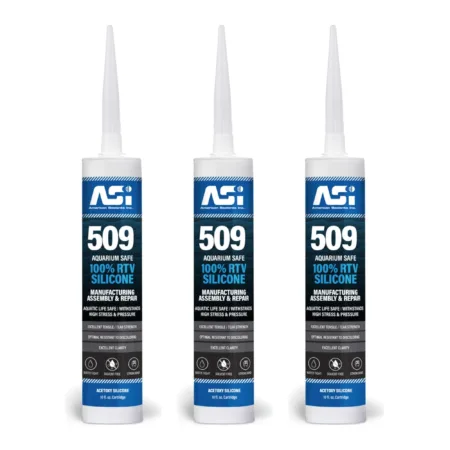
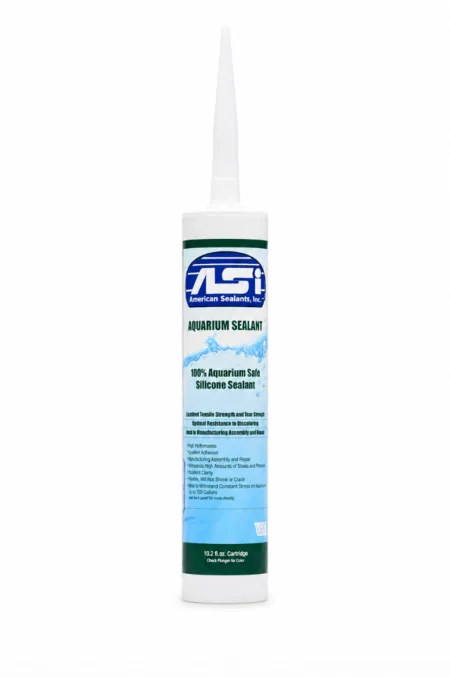
ASI 509 Aquarium Silicone Sealant, Clear, 10.2 oz Cartridge
Original price was: $16.90.$12.99Current price is: $12.99.In stock — ships in 1–3 days
- Aquarium safe
-
ASI
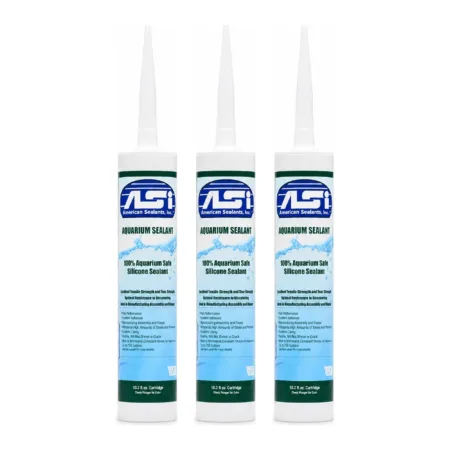
ASI 509 Aquarium Silicone Sealant, Clear, 10.2 oz Cartridge (Pack of 3)
Original price was: $38.97.$35.00Current price is: $35.00.$11.67 / cartridge
In stock — ships in 1–3 days
- Aquarium safe
-
ASI
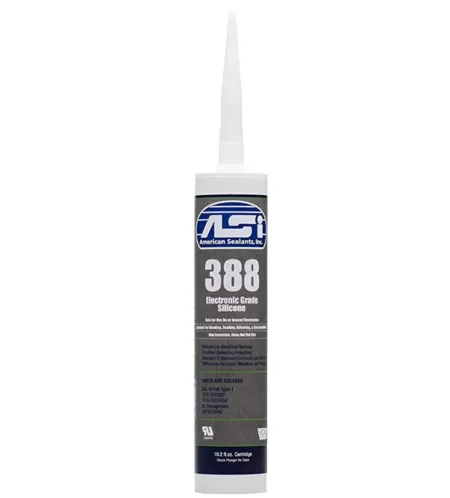
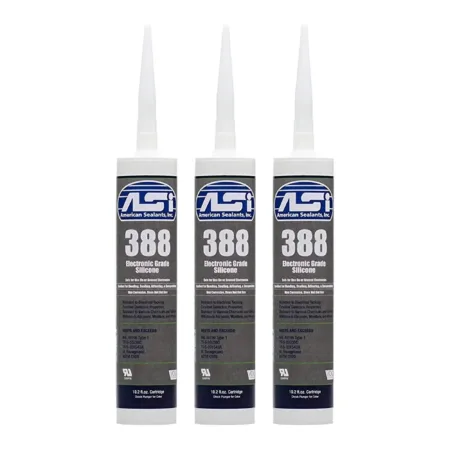
ASI 388 Electronic Grade RTV Silicone, Clear, 10.2 oz Cartridge
Original price was: $24.99.$21.90Current price is: $21.90.Out of stock
- Dielectric
-
ASI
ASI 388 Electronic Grade RTV Silicone, Clear, 10.2 oz Cartridge (Pack of 3)
Original price was: $65.70.$58.99Current price is: $58.99.$19.66 / cartridge
Out of stock
- Dielectric
-
ASI
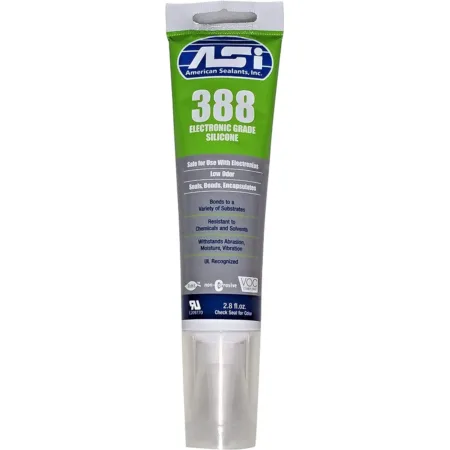
ASI 388 Electronic Grade RTV Silicone, Clear, 2.8 oz Squeeze Tube
Original price was: $13.90.$11.30Current price is: $11.30.Out of stock
- Dielectric
-
ASI
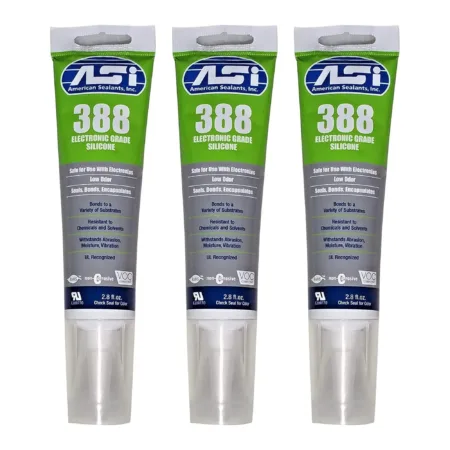
ASI 388 Electronic Grade RTV Silicone, Clear, 2.8 oz Squeeze Tube (Pack of 3)
Original price was: $33.90.$29.99Current price is: $29.99.$10.00 / tube
Out of stock
- Dielectric
-
ASI
ASI 502 100% RTV Silicone Sealant, Black, 2.8 oz Squeeze Tube
Original price was: $9.99.$7.50Current price is: $7.50.Out of stock
Read more -
ASI
ASI 502 100% RTV Silicone Sealant, Black, 2.8 oz Squeeze Tube (Pack of 3)
Original price was: $22.50.$19.99Current price is: $19.99.$6.66 / tube
Out of stock
Read more -
ASI
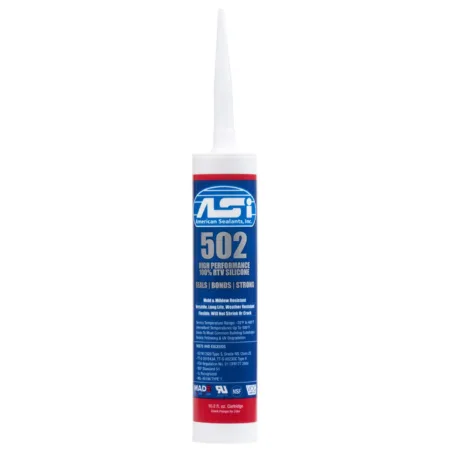
ASI 502 100% RTV Silicone Sealant, Clear, 10.2 oz Cartridge
Original price was: $16.90.$12.99Current price is: $12.99.Out of stock
Read more -
ASI
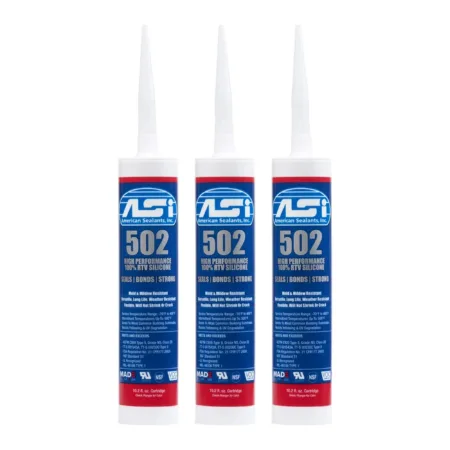
ASI 502 100% RTV Silicone Sealant, Clear, 10.2 oz Cartridge (Pack of 3)
Original price was: $34.99.$29.99Current price is: $29.99.$10.00 / cartridge
Out of stock
Read more -
ASI
ASI 502 100% RTV Silicone Sealant, White, 2.8 oz Squeeze Tube
Original price was: $10.90.$7.30Current price is: $7.30.Out of stock
Read more -
ASI
ASI 502 100% RTV Silicone Sealant, White, 2.8 oz Squeeze Tube (Pack of 3)
Original price was: $21.90.$18.99Current price is: $18.99.$6.33 / tube
Out of stock
Read more

How to choose a silicone sealant
| Cure type | Product | Skin / cure (70°F, 50% RH) | Use it for | Watch out for |
|---|---|---|---|---|
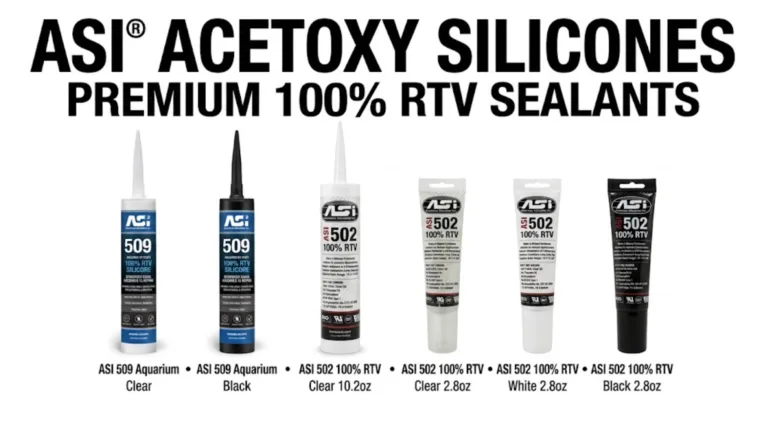
| Acetoxy (vinegar odor) | ASI 502 100% RTV | 10 min skin; 24 h for a 1/8 in bead | HVAC, appliances, gaskets, kitchen and bath seals | Corrosive to sensitive metals when confined; not paintable |
| Neutral (oxime), electronic grade | ASI 388 | 20 min skin; 24 h for a 1/8 in bead | Lead-wire entries, circuit boards, encapsulating | Releases MEKO while curing; ventilate |
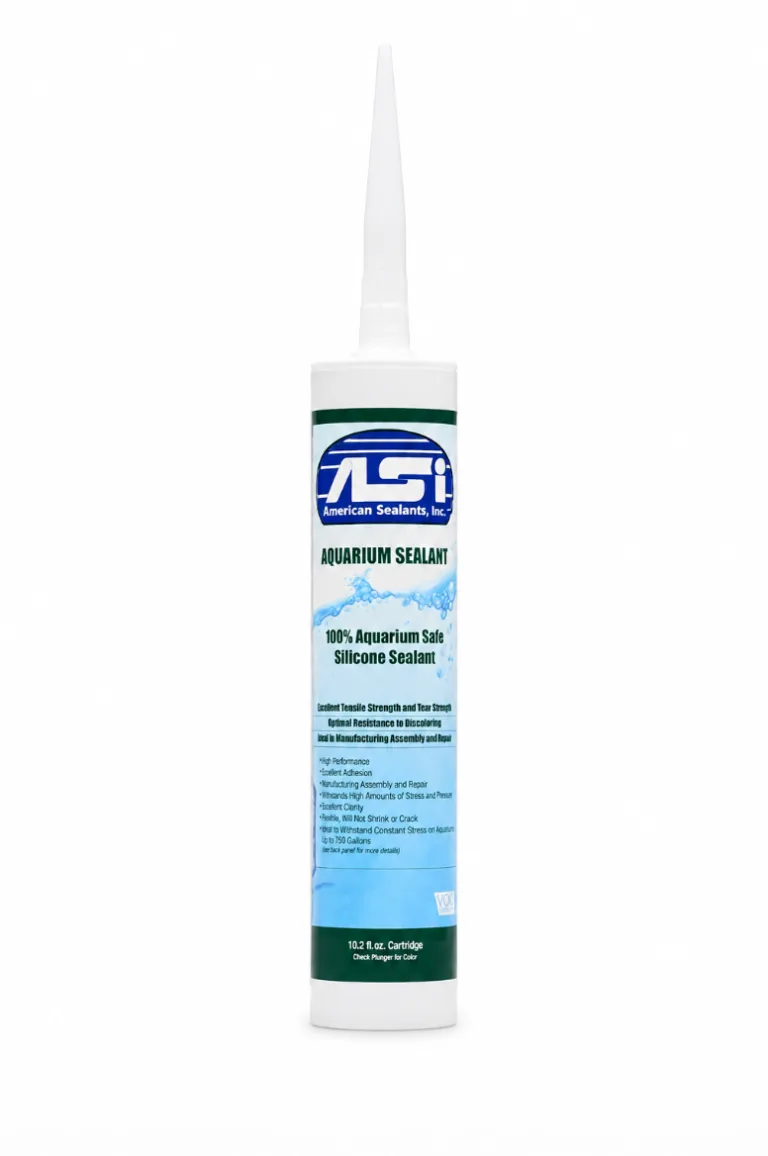
| Acetoxy, aquarium safe when cured | ASI 509 | 10 min skin; 7 days before use | Glass aquariums and terrariums | Not for concrete, mortar or brick; not paintable |
Where to use silicone sealant
- Ductwork, walk-in freezers, refrigeration units and appliance assembly
- Formed-in-place gaskets on equipment covers
- Electronics enclosures, lead-wire entries and coaxial cable connectors
- Countertops, sinks and other sanitary seals
- Aquariums, terrariums and glass viewing panels
How to apply a bead
- Clean and dry both surfaces and test adhesion on plastics and painted parts.
- Work within ASI's application range of -35°F to 150°F.
- Run the bead and tool it before it skins over: about 10 minutes for acetoxy, 20 minutes for ASI 388.
- Let a 1/8 inch bead cure 24 hours; strength keeps building for 7 days, so test adhesion on day 7.
Frequently asked questions
What does RTV mean?
Room-temperature vulcanizing. The sealant cures at room temperature by reacting with moisture in the air, with no mixing and no heat.
Should I use acetoxy or neutral-cure silicone?
Use acetoxy for general sealing where a quick skin and a vinegar smell during cure are acceptable; it can corrode sensitive metals when confined. Use neutral cure, such as ASI 388, around electronics and wiring.
Can silicone sealant be painted?
Not these. ASI lists 502 and 509 as not paintable, so choose the color before you seal; ASI 502 comes in clear, white and black here.
Can I use silicone on concrete or brick?
Not ASI 502 or 509: ASI says not to use them on porous surfaces such as concrete, mortar or brick. ASI 388 lists porous surfaces among its compatible substrates.
Related: acetoxy silicone guide, neutral-cure silicone guide and ASI sealants by model and size. ASI technical and safety data sheets: Technical & Safety Data Sheets.
Guides
 Acetoxy vs Neutral Cure Silicone: When to Use ASI 502Acetoxy silicone releases acetic acid as it cures, skins fast and bonds well to glass, tile and metal; neutral cure has low…Read the guide →
 What Does RTV Silicone Mean? A Guide to ASI Silicone SealantsRTV means room-temperature vulcanizing: the silicone cures into rubber from moisture in the air, skinning in minutes, curing about 1/8 inch per…Read the guide →
 Aquarium-Safe Silicone: How to Choose a Sealant for Fish Tanks and TerrariumsAquarium-safe silicone is a sealant its maker states is safe for aquatic life once fully cured and that is made to bond…Read the guide →