
Showing all 51 results
-
Super Lube
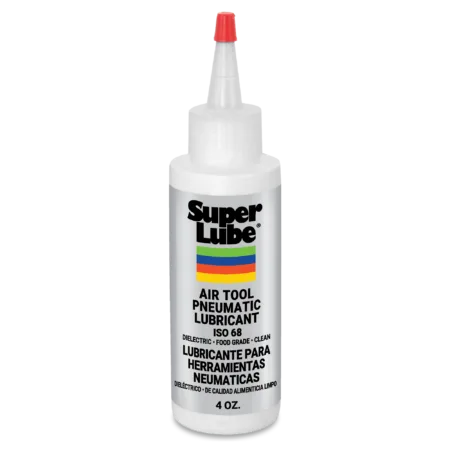
Super Lube 12004 Air Tool Lubricant, 4 oz Bottle
Original price was: $13.99.$10.99Current price is: $10.99.In stock — ships in 1–3 days
- NSF H1 food grade
- Made in USA
-
Super Lube
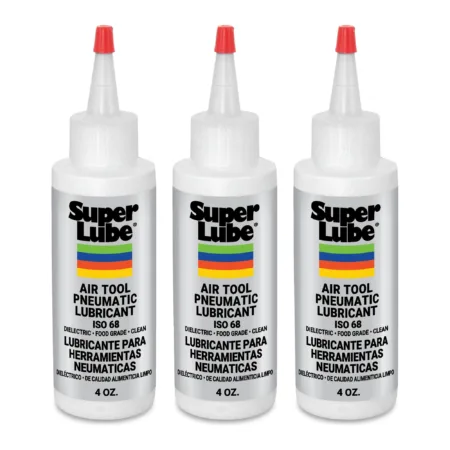
Super Lube 12004 Air Tool Lubricant, 4 oz Bottle (Pack of 3)
Original price was: $32.97.$28.99Current price is: $28.99.$9.66 / bottle
In stock — ships in 1–3 days
- NSF H1 food grade
- Made in USA
-
Super Lube
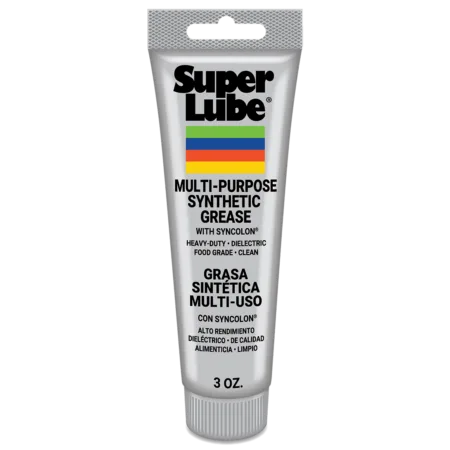
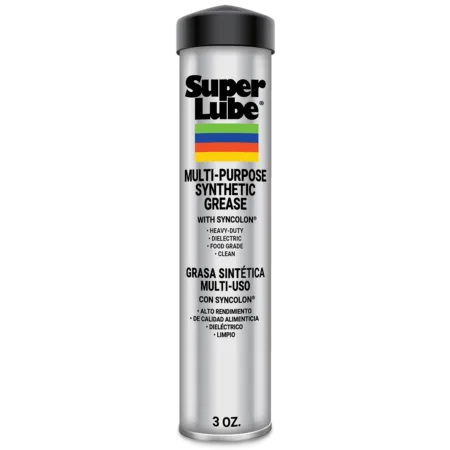
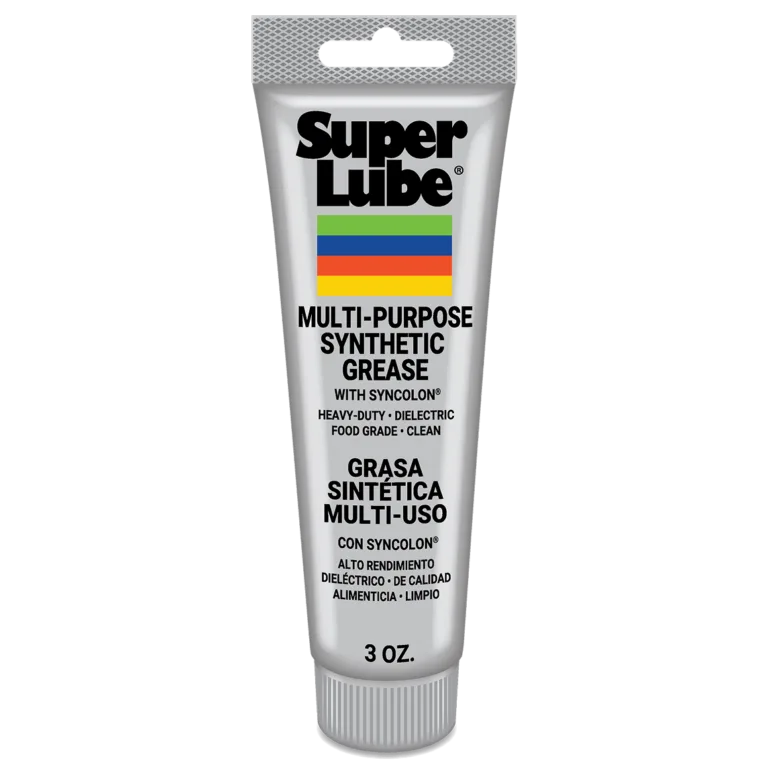
Super Lube 21030 Multi-Purpose Synthetic Grease with Syncolon, 3 oz Tube
Original price was: $13.99.$12.39Current price is: $12.39.In stock — ships in 1–3 days
- NSF H1 food grade
- Dielectric
-
Super Lube
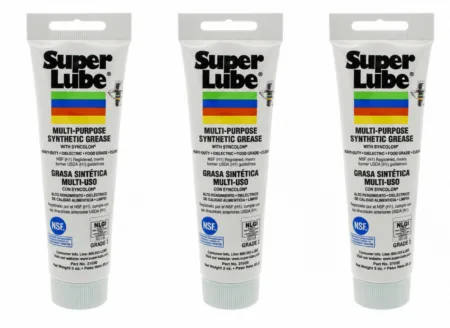
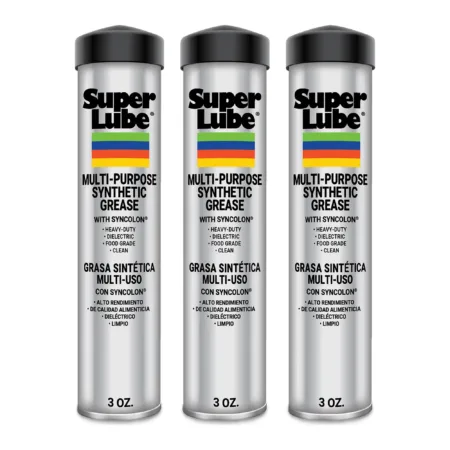
Super Lube 21030 Multi-Purpose Synthetic Grease with Syncolon, 3 oz Tube (Pack of 3)
Original price was: $30.99.$25.99Current price is: $25.99.$8.66 / tube
In stock — ships in 1–3 days
- NSF H1 food grade
- Dielectric
-
Super Lube
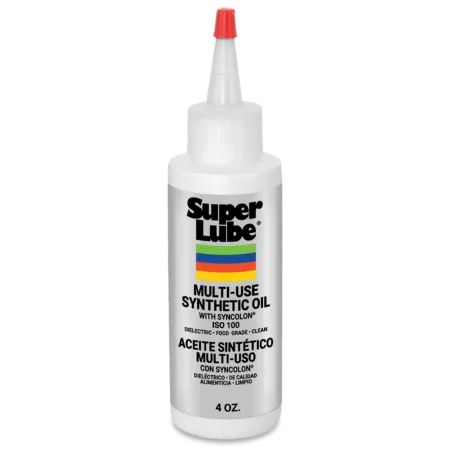
Super Lube 51004 Multi-Purpose Synthetic Oil with Syncolon, 4 oz Bottle
Original price was: $12.99.$11.99Current price is: $11.99.Only 3 left — ships in 1–3 days
- NSF H1 food grade
- Made in USA
-
Super Lube
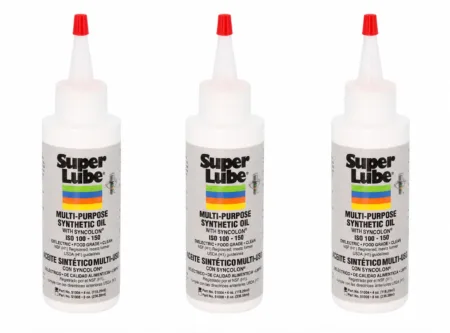
Super Lube 51004 Multi-Purpose Synthetic Oil with Syncolon, 4 oz Bottle (Pack of 3)
Original price was: $28.99.$28.50Current price is: $28.50.$9.50 / bottle
In stock — ships in 1–3 days
- NSF H1 food grade
- Made in USA
-
Super Lube
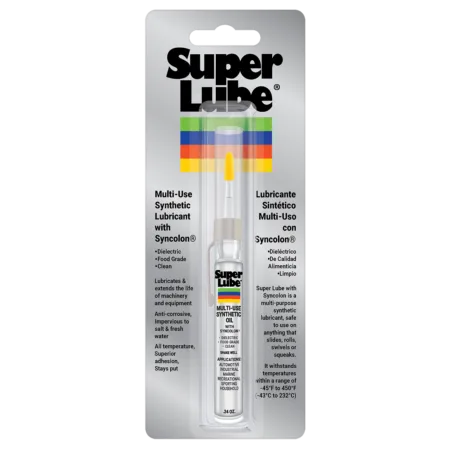
Super Lube 51010 Multi-Purpose Synthetic Oil with Syncolon, 7 mL Precision Oiler
Original price was: $13.99.$9.99Current price is: $9.99.In stock — ships in 1–3 days
- NSF H1 food grade
- Made in USA
-
Super Lube
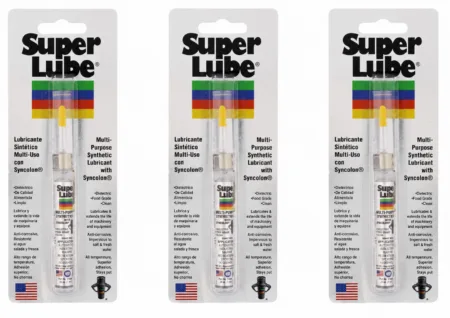
Super Lube 51010 Multi-Purpose Synthetic Oil with Syncolon, 7 mL Precision Oiler (Pack of 3)
Original price was: $27.39.$23.59Current price is: $23.59.$7.86 / oiler
In stock — ships in 1–3 days
- NSF H1 food grade
- Made in USA
-
Super Lube
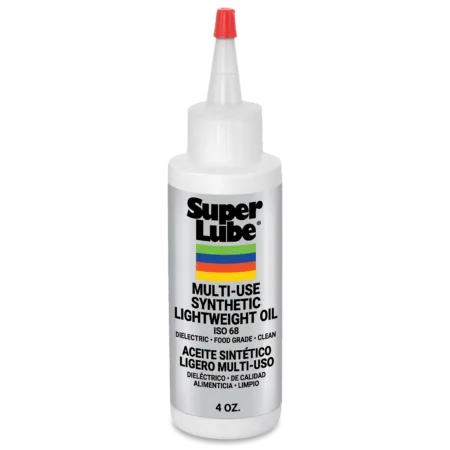
Super Lube 52004 Synthetic Lightweight Oil, 4 oz Bottle
Original price was: $13.99.$11.80Current price is: $11.80.In stock — ships in 1–3 days
- NSF H1 food grade
- Made in USA
-
Super Lube
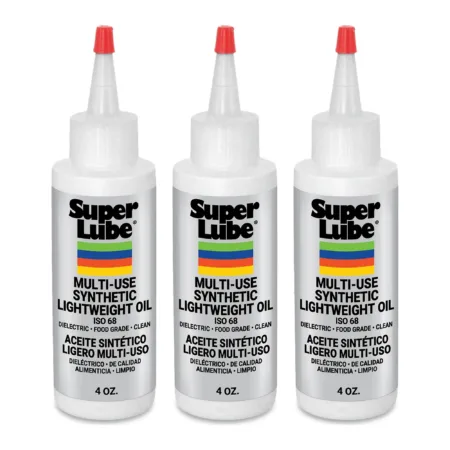
Super Lube 52004 Synthetic Lightweight Oil, 4 oz Bottle (Pack of 3)
Original price was: $35.40.$30.99Current price is: $30.99.$10.33 / bottle
In stock — ships in 1–3 days
- NSF H1 food grade
- Made in USA
-
Super Lube
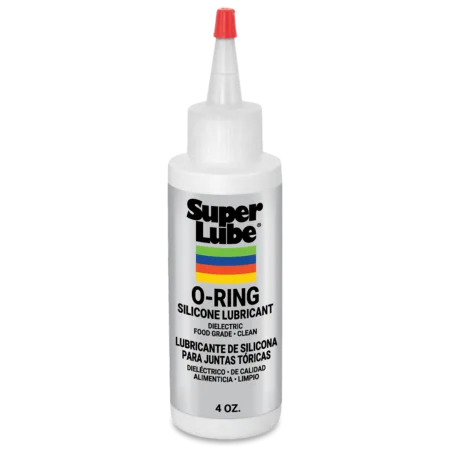
Super Lube 56204 O-Ring Silicone Lubricant, 4 oz Bottle
Original price was: $14.99.$12.99Current price is: $12.99.In stock — ships in 1–3 days
- NSF H1 food grade
- Dielectric
-
Super Lube
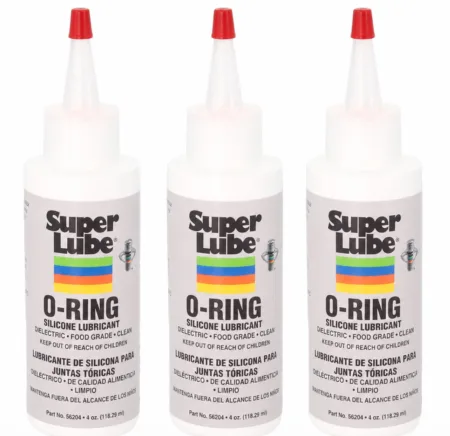
Super Lube 56204 O-Ring Silicone Lubricant, 4 oz Bottle (Pack of 3)
Original price was: $34.99.$31.90Current price is: $31.90.$10.63 / bottle
In stock — ships in 1–3 days
- NSF H1 food grade
- Dielectric
-
Super Lube
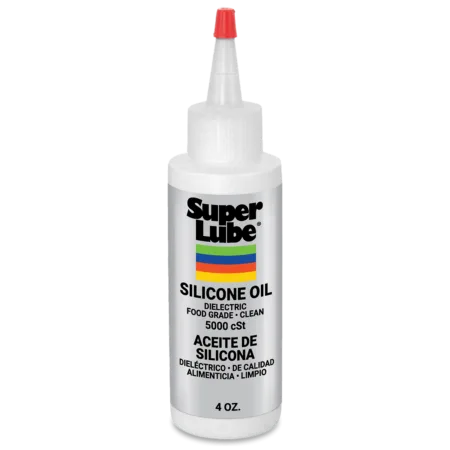
Super Lube 56504 Silicone Oil 5000 cSt, 4 oz Bottle
Original price was: $14.80.$12.99Current price is: $12.99.In stock — ships in 1–3 days
- NSF H1 food grade
- Dielectric
-
Super Lube
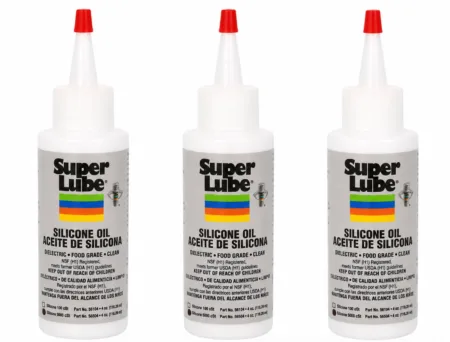
Super Lube 56504 Silicone Oil 5000 cSt, 4 oz Bottle (Pack of 3)
Original price was: $30.90.$28.59Current price is: $28.59.$9.53 / bottle
In stock — ships in 1–3 days
- NSF H1 food grade
- Dielectric
-
Super Lube
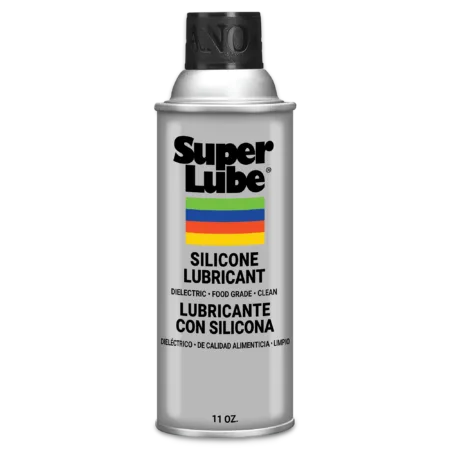
Super Lube 91110 Silicone Lubricant, 11 oz Aerosol
Original price was: $16.99.$15.19Current price is: $15.19.In stock — ships in 1–3 days
- Ground ship only
- NSF H1 food grade
-
Super Lube
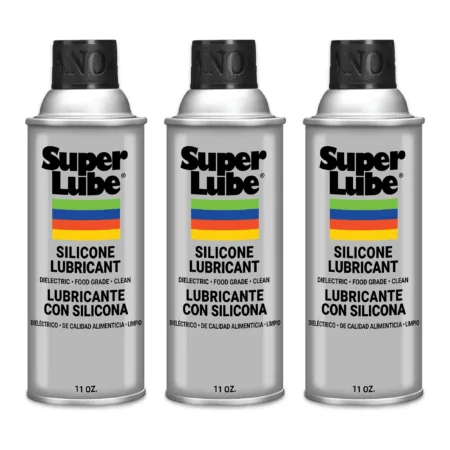
Super Lube 91110 Silicone Lubricant, 11 oz Aerosol (Pack of 3)
Original price was: $45.57.$40.99Current price is: $40.99.$13.66 / can
In stock — ships in 1–3 days
- Ground ship only
- NSF H1 food grade
-
Super Lube
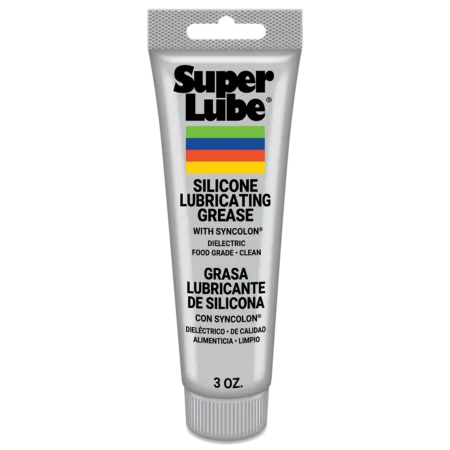
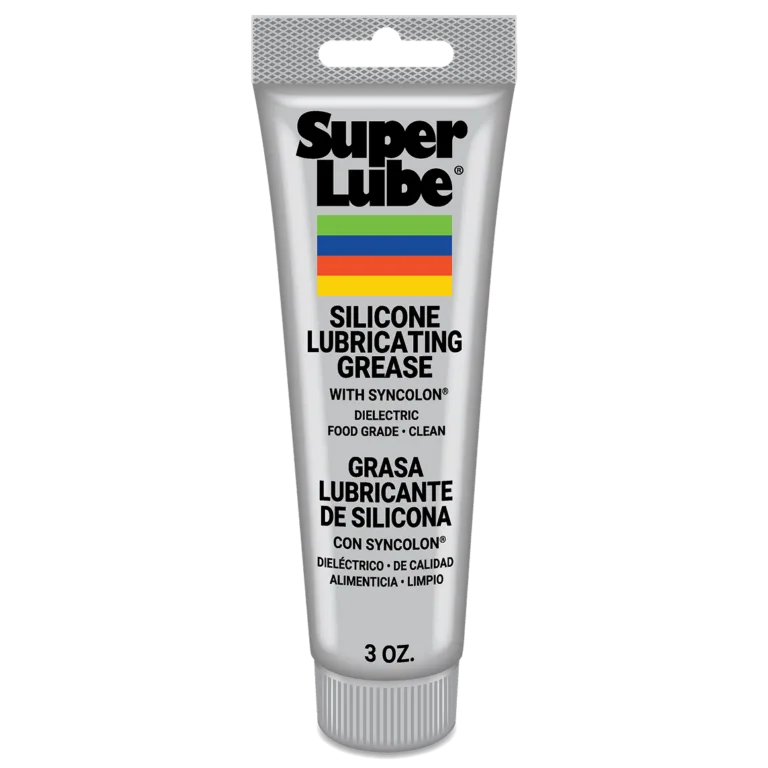
Super Lube 92003 Silicone Lubricating Grease with Syncolon, 3 oz Tube
Original price was: $17.99.$15.59Current price is: $15.59.In stock — ships in 1–3 days
- NSF H1 food grade
- Dielectric
-
Super Lube
Super Lube 92003 Silicone Lubricating Grease with Syncolon, 3 oz Tube (Pack of 3)
Original price was: $45.99.$41.30Current price is: $41.30.$13.77 / tube
In stock — ships in 1–3 days
- NSF H1 food grade
- Dielectric
-
Super Lube
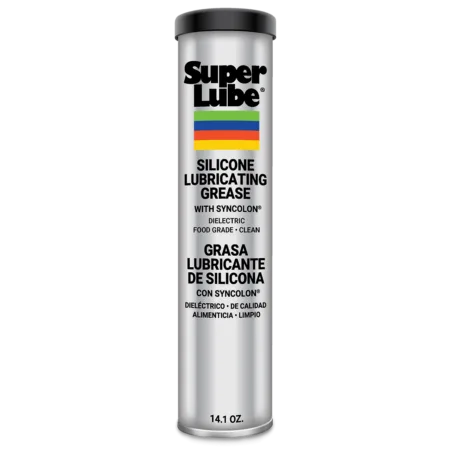
Super Lube 92150 Silicone Lubricating Grease with Syncolon, 14.1 oz Cartridge
Original price was: $25.99.$21.99Current price is: $21.99.In stock — ships in 1–3 days
- NSF H1 food grade
- Dielectric
-
Super Lube
Super Lube 92150 Silicone Lubricating Grease with Syncolon, 14.1 oz Cartridge (Pack of 3)
Original price was: $65.97.$58.99Current price is: $58.99.$19.66 / cartridge
In stock — ships in 1–3 days
- NSF H1 food grade
- Dielectric
-
Super Lube
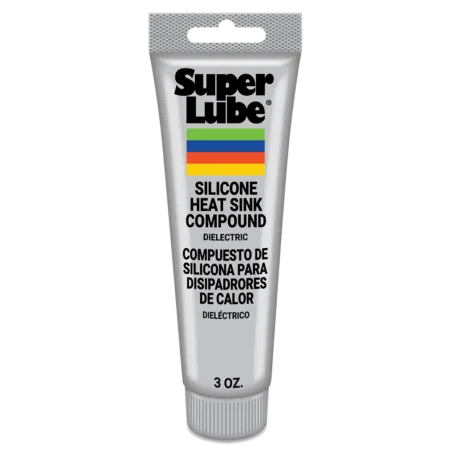
Super Lube 98003 Heat Sink Compound, 3 oz Tube
Original price was: $14.90.$12.90Current price is: $12.90.In stock — ships in 1–3 days
- Made in USA
-
Super Lube
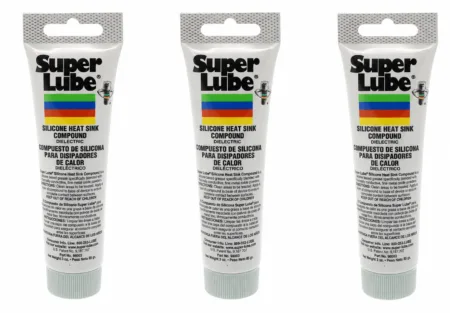
Super Lube 98003 Heat Sink Compound, 3 oz Tube (Pack of 3)
Original price was: $32.99.$31.99Current price is: $31.99.$10.66 / tube
In stock — ships in 1–3 days
- Made in USA
-
Kroil
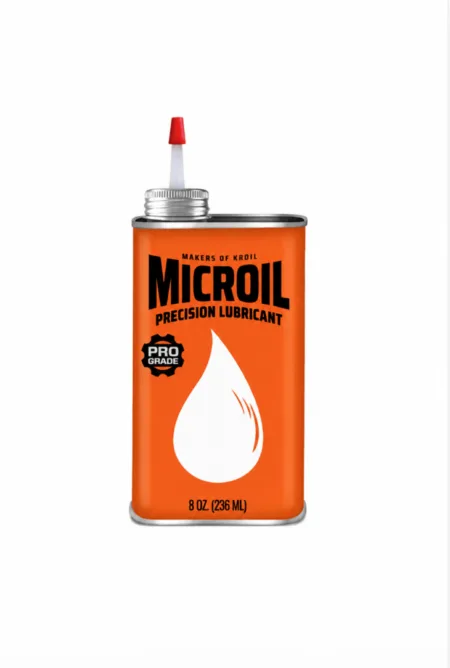
Kroil MC081 Microil Precision Lubricant, 8 oz Drip Can
Original price was: $23.99.$21.99Current price is: $21.99.Out of stock
Read more -
Super Lube
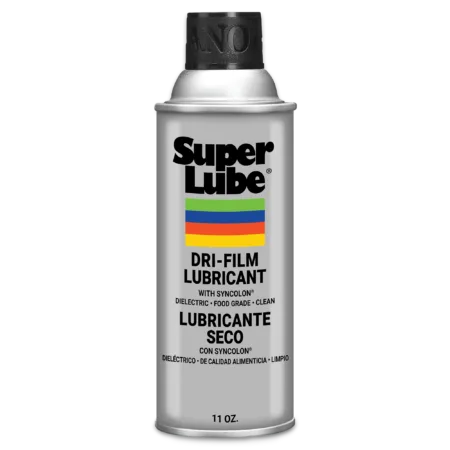
Super Lube 11016 Dri-Film Lubricant with Syncolon, 11 oz Aerosol
Original price was: $16.99.$14.99Current price is: $14.99.Out of stock
- Ground ship only
- NSF H1 food grade
-
Super Lube
Super Lube 11016 Dri-Film Lubricant with Syncolon, 11 oz Aerosol (Pack of 3)
Original price was: $44.97.$39.99Current price is: $39.99.$13.33 / can
Out of stock
- Ground ship only
- NSF H1 food grade
-
Super Lube
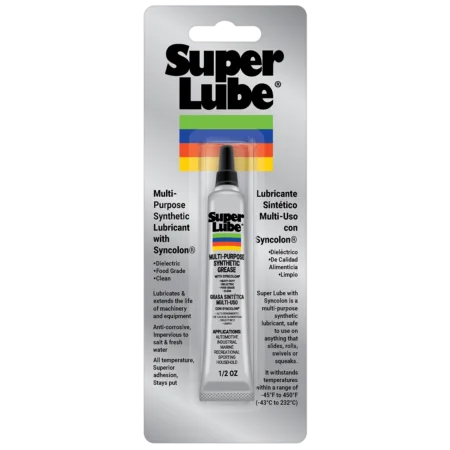
Super Lube 21010 Multi-Purpose Synthetic Grease with Syncolon, 0.5 oz Tube
Original price was: $14.39.$9.99Current price is: $9.99.Out of stock
- NSF H1 food grade
- Dielectric
-
Super Lube
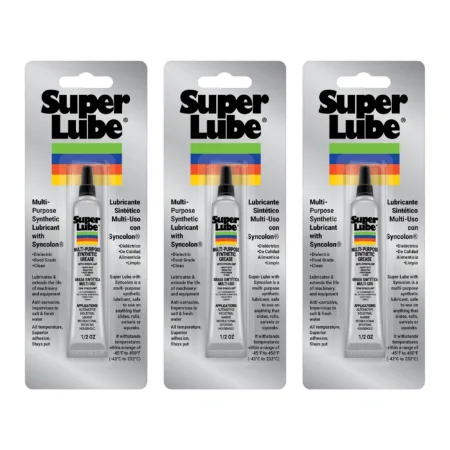
Super Lube 21010 Multi-Purpose Synthetic Grease with Syncolon, 0.5 oz Tube (Pack of 3)
Original price was: $29.97.$25.99Current price is: $25.99.$8.66 / tube
Out of stock
- NSF H1 food grade
- Dielectric
-
Super Lube
Super Lube 21036 Multi-Purpose Synthetic Grease with Syncolon, 3 oz Cartridge
Original price was: $17.99.$14.99Current price is: $14.99.Out of stock
- NSF H1 food grade
- Dielectric
-
Super Lube
Super Lube 21036 Multi-Purpose Synthetic Grease with Syncolon, 3 oz Cartridge (Pack of 3)
Original price was: $44.97.$39.99Current price is: $39.99.$13.33 / cartridge
Out of stock
- NSF H1 food grade
- Dielectric
-
Super Lube
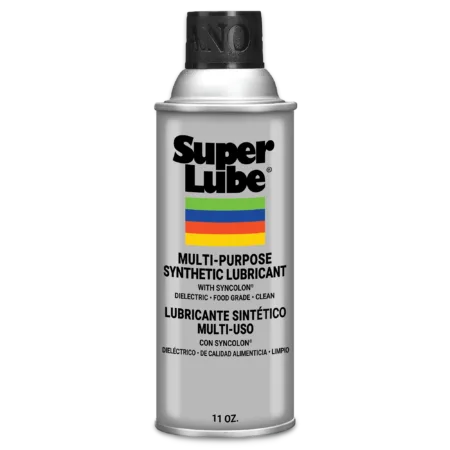
Super Lube 31110 Multi-Purpose Synthetic Lubricant with Syncolon, 11 oz Aerosol
Original price was: $19.99.$16.99Current price is: $16.99.Out of stock
- Ground ship only
- NSF H1 food grade
-
Super Lube
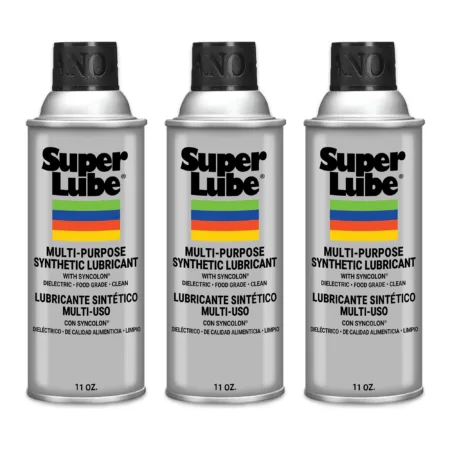
Super Lube 31110 Multi-Purpose Synthetic Lubricant with Syncolon, 11 oz Aerosol (Pack of 3)
Original price was: $50.97.$44.99Current price is: $44.99.$15.00 / can
Out of stock
- Ground ship only
- NSF H1 food grade
-
Super Lube
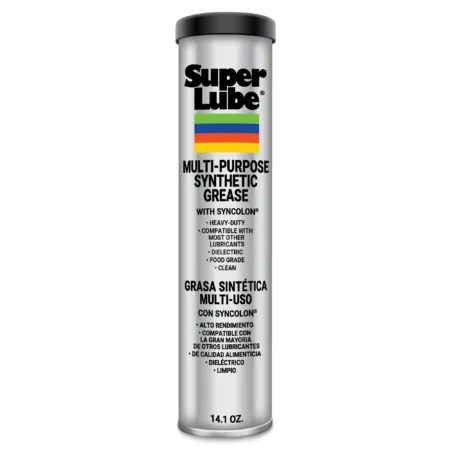
Super Lube 41150 Multi-Purpose Synthetic Grease with Syncolon, 14.1 oz Cartridge
Original price was: $27.39.$23.99Current price is: $23.99.Out of stock
- NSF H1 food grade
- Dielectric
-
Super Lube
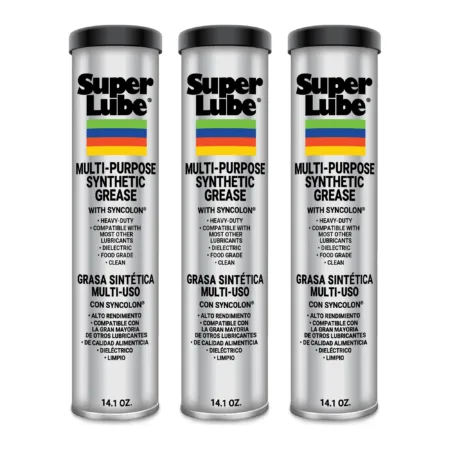
Super Lube 41150 Multi-Purpose Synthetic Grease with Syncolon, 14.1 oz Cartridge (Pack of 3)
Original price was: $71.97.$63.99Current price is: $63.99.$21.33 / cartridge
Out of stock
- NSF H1 food grade
- Dielectric
-
Super Lube
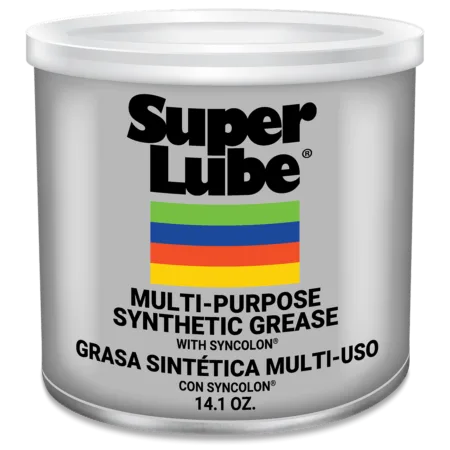
Super Lube 41160 Multi-Purpose Synthetic Grease with Syncolon, 14.1 oz Canister
Original price was: $27.39.$23.99Current price is: $23.99.Out of stock
- NSF H1 food grade
- Dielectric
-
Super Lube
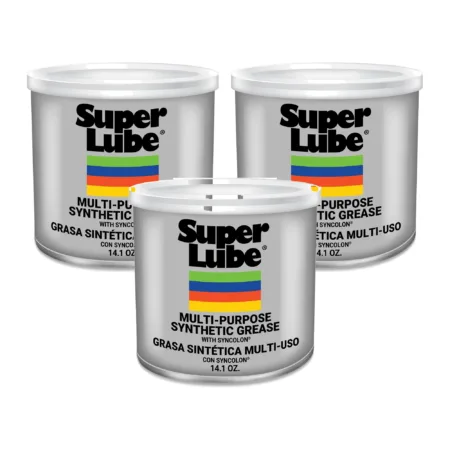
Super Lube 41160 Multi-Purpose Synthetic Grease with Syncolon, 14.1 oz Canister (Pack of 3)
Original price was: $71.97.$63.99Current price is: $63.99.$21.33 / canister
Out of stock
- NSF H1 food grade
- Dielectric
-
Super Lube
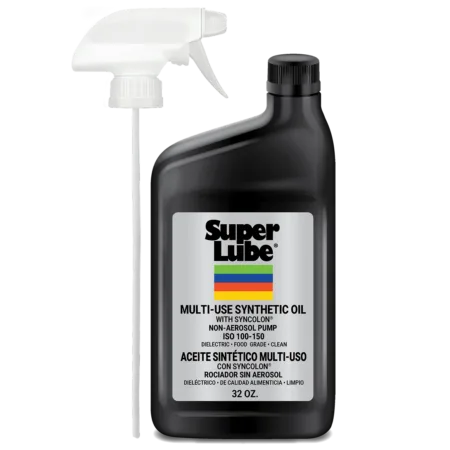
Super Lube 51600 Multi-Purpose Synthetic Oil with Syncolon, 1 qt Trigger Sprayer
Original price was: $30.99.$27.39Current price is: $27.39.Out of stock
- NSF H1 food grade
- Made in USA
-
Super Lube
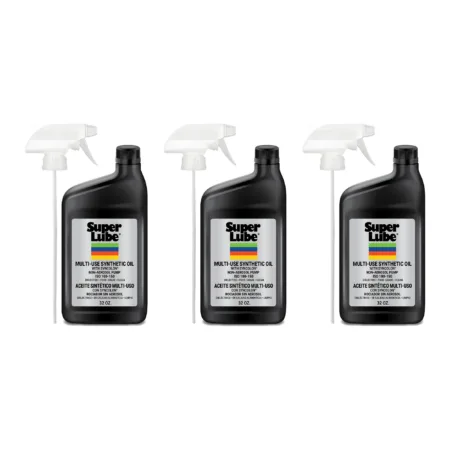
Super Lube 51600 Multi-Purpose Synthetic Oil with Syncolon, 1 qt Trigger Sprayer (Pack of 3)
Original price was: $82.17.$72.99Current price is: $72.99.$24.33 / sprayer
Out of stock
- NSF H1 food grade
- Made in USA
-
Super Lube
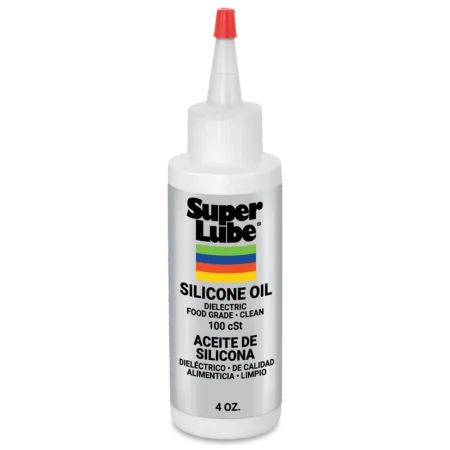
Super Lube 56104 Silicone Oil 100 cSt, 4 oz Bottle
Original price was: $16.99.$15.39Current price is: $15.39.Out of stock
- NSF H1 food grade
- Dielectric
-
Super Lube
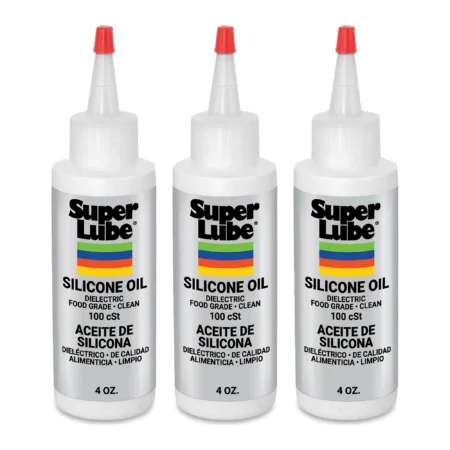
Super Lube 56104 Silicone Oil 100 cSt, 4 oz Bottle (Pack of 3)
Original price was: $46.17.$40.99Current price is: $40.99.$13.66 / bottle
Out of stock
- NSF H1 food grade
- Dielectric
-
Super Lube
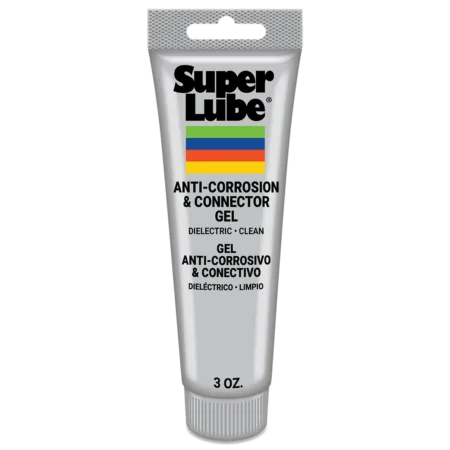
Super Lube 82003 Anti-Corrosion & Connector Gel, 3 oz Tube
Original price was: $14.39.$13.89Current price is: $13.89.Out of stock
- Made in USA
-
Super Lube
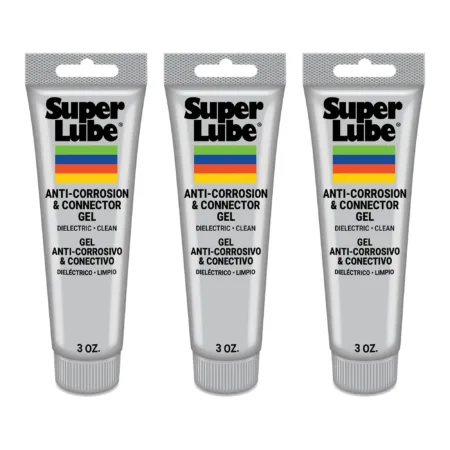
Super Lube 82003 Anti-Corrosion & Connector Gel, 3 oz Tube (Pack of 3)
Original price was: $41.67.$36.99Current price is: $36.99.$12.33 / tube
Out of stock
- Made in USA
-
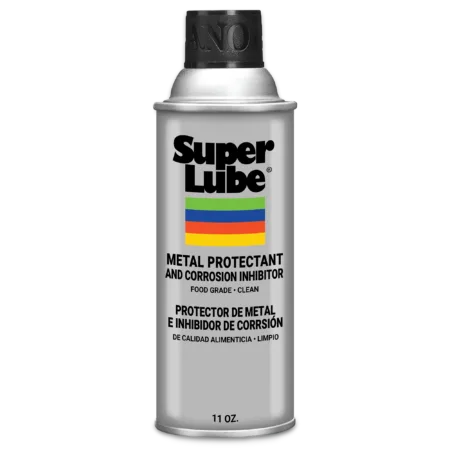
Super Lube
Super Lube 83110 Metal Protectant & Corrosion Inhibitor, 11 oz Aerosol
Original price was: $20.90.$17.39Current price is: $17.39.Out of stock
- Ground ship only
- NSF H1 food grade
-
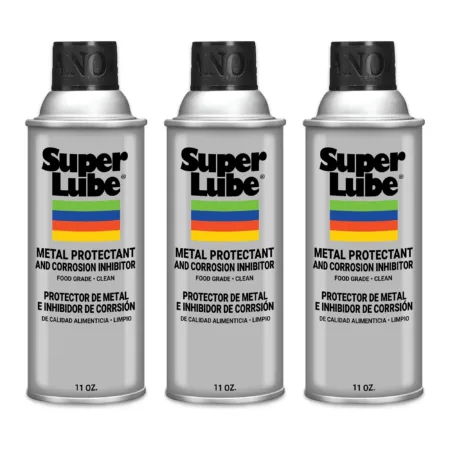
Super Lube
Super Lube 83110 Metal Protectant & Corrosion Inhibitor, 11 oz Aerosol (Pack of 3)
Original price was: $52.17.$45.99Current price is: $45.99.$15.33 / can
Out of stock
- Ground ship only
- NSF H1 food grade
-
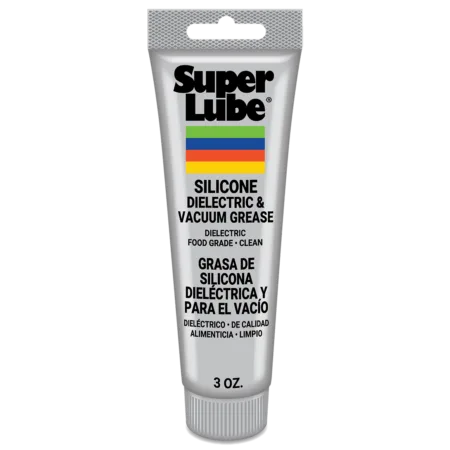
Super Lube
Super Lube 91003 Silicone Dielectric & Vacuum Grease, 3 oz Tube
$15.99Out of stock
- NSF H1 food grade
- Dielectric
-
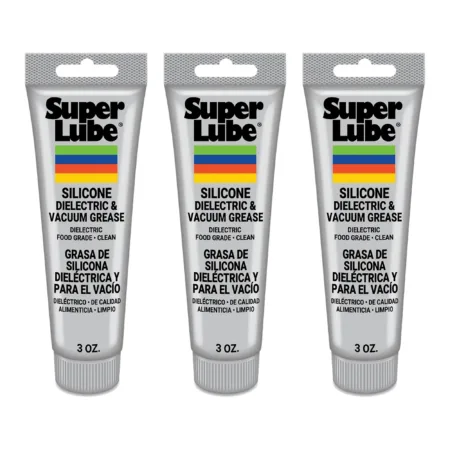
Super Lube
Super Lube 91003 Silicone Dielectric & Vacuum Grease, 3 oz Tube (Pack of 3)
Original price was: $47.97.$42.99Current price is: $42.99.$14.33 / tube
Out of stock
- NSF H1 food grade
- Dielectric
-
Super Lube
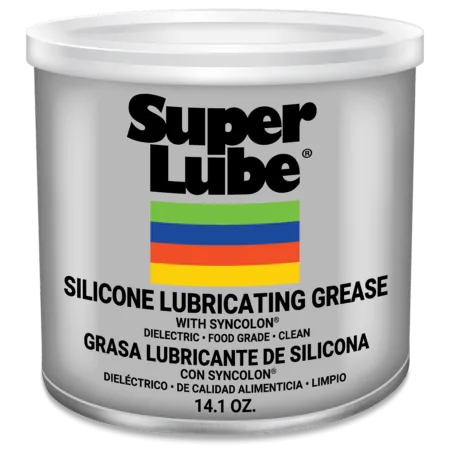
Super Lube 92016 Silicone Lubricating Grease with Syncolon, 14.1 oz Canister
Original price was: $31.99.$25.99Current price is: $25.99.Out of stock
- NSF H1 food grade
- Dielectric
-
Super Lube
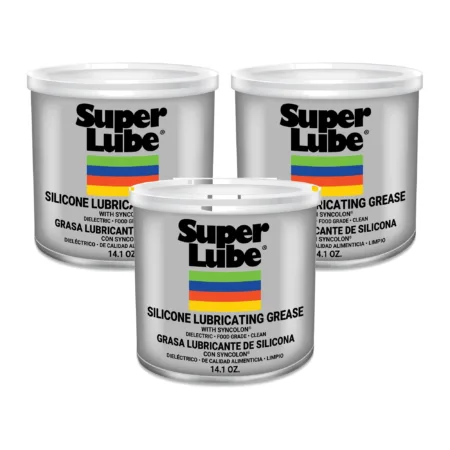
Super Lube 92016 Silicone Lubricating Grease with Syncolon, 14.1 oz Canister (Pack of 3)
Original price was: $77.97.$69.99Current price is: $69.99.$23.33 / canister
Out of stock
- NSF H1 food grade
- Dielectric
-
Super Lube
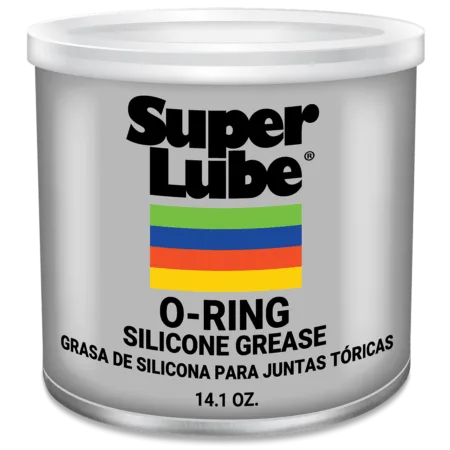
Super Lube 93016 O-Ring Silicone Grease, 14.1 oz Canister
Original price was: $30.99.$26.99Current price is: $26.99.Out of stock
- NSF H1 food grade
- Dielectric
-
Super Lube
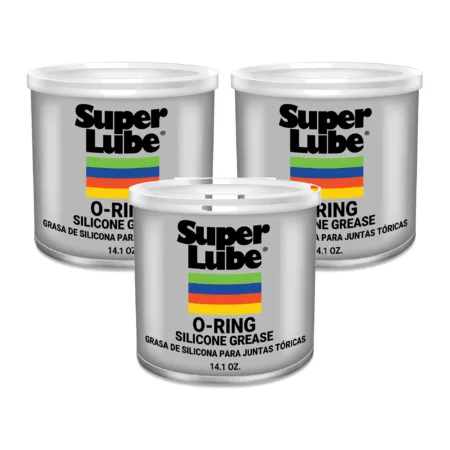
Super Lube 93016 O-Ring Silicone Grease, 14.1 oz Canister (Pack of 3)
Original price was: $80.97.$71.99Current price is: $71.99.$24.00 / canister
Out of stock
- NSF H1 food grade
- Dielectric
-
Super Lube
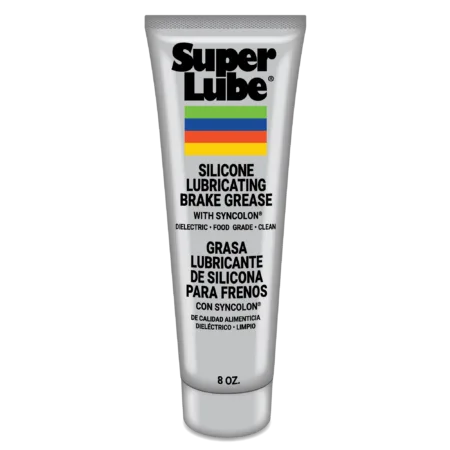
Super Lube 97008 Silicone Lubricating Brake Grease with Syncolon, 8 oz Tube
Original price was: $23.39.$20.39Current price is: $20.39.Out of stock
- Dielectric
- Made in USA
-
Super Lube
Super Lube 97008 Silicone Lubricating Brake Grease with Syncolon, 8 oz Tube (Pack of 3)
Original price was: $61.17.$54.99Current price is: $54.99.$18.33 / tube
Out of stock
- Dielectric
- Made in USA


How to choose a grease or oil
| Type | Part numbers | Base and grade | Rated temperature | Typical jobs |
|---|---|---|---|---|
| PTFE synthetic grease | Super Lube 21010, 21030, 21036, 41150, 41160 | Synthetic fluids with Syncolon (PTFE), NLGI 2, no silicone | -45°F to 450°F (-43°C to 232°C) | Ball, roller and plain bearings, cams, slides, chains, hinges |
| Silicone grease | Super Lube 92003, 92150, 92016 | 5,000 cSt silicone with Syncolon, NLGI 2 | -40°F to 500°F (-40°C to 260°C) | Plastic gears, bushings, rubber parts, sound dampening |
| Specialty silicone greases | Super Lube 91003, 93016, 97008 | Non-curing silicone compound, NLGI 2 | -40°F to 500°F (-40°C to 260°C) | Electrical and vacuum seals, O-rings, brake caliper slides |
| Synthetic oils | Super Lube 51004, 51010, 51600 (ISO 100); 52004, 12004 (ISO 68) | Synthetic; the 51004 family carries suspended PTFE | 51004: -45°F to 450°F continuous; 52004: -40°F to 500°F | Bearings, gears, machine ways, chains; 12004 for air tools |
| Silicone fluids | Super Lube 56104 (100 cSt), 56504 and 56204 (5,000 cSt) | Silicone fluid | -58°F to 392°F (-50°C to 200°C) | Rubber and plastic parts, damping, O-rings (56204) |
| Precision oil | Kroil MC081 Microil | Refined mineral oil, 28.8 cSt at 104°F (40°C) | Lubricates down to -50°F | Gauges, meters, clocks, firearms |
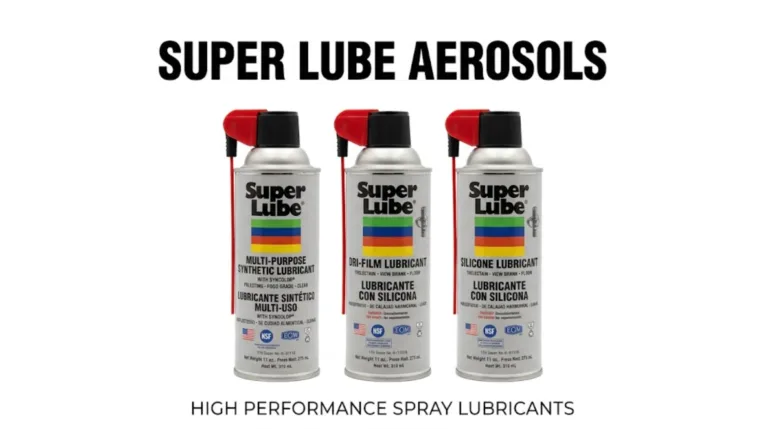
Spray versions: 31110 is the multi-purpose grease in a can, 91110 a silicone spray, 11016 Dri-Film a PTFE coating that dries to a non-oily film, and 83110 a synthetic penetrating oil and corrosion inhibitor. Two items are not lubricants at all: the 82003 connector gel and the 98003 heat sink compound.
Where to use them
- Shop and plant maintenance: bearings, conveyors, chains, cams and slides, with Super Lube 21030 synthetic grease or 51004 synthetic oil.
- Food and beverage equipment: NSF H1 registered greases and oils, collected under food grade grease.
- Rubber, plastic and seals: silicone greases and fluids; see O-ring lubricant.
- Electrical work: dielectric grease for connectors and boots.
- Hobby and precision: the 51010 precision oiler, Kroil Microil and 3D printer lubricant.
How to apply
- Clean and dry the part, and wipe grease fittings before pumping so dirt is not forced in.
- Purge the old grease where you can. Super Lube's PTFE grease is compatible with most other greases, but 93016 O-ring grease should not be mixed with any.
- Do not over-grease bearings: Super Lube recommends filling them 1/3 to 1/2 full, then monitoring to set a schedule.
- For oils, wipe the area and apply enough to coat every contact surface; re-apply as needed.
Frequently asked questions
What is the difference between silicone grease and synthetic grease?
The base fluid. Super Lube's Multi-Purpose Synthetic Grease uses synthetic fluids with PTFE and contains no silicone, so it suits metal bearings and shops that paint; its silicone greases use a 5,000 cSt silicone base and are made for rubber, plastic and sealing jobs.
What does NLGI 2 mean?
It is a consistency grade on the National Lubricating Grease Institute scale, which runs from 000 (nearly fluid) to 6 (block). Grade 2 is a medium grease that stays in place in bearings and on slides; 21030 is NLGI GC-LB certified in Grade 2.
Is Super Lube food grade?
Many Super Lube products are NSF H1 registered for incidental food contact, including 21030, 92003 and 51004, but not all of them: the 82003 connector gel and 98003 heat sink compound are not. Check the approvals line on each product page.
Related guides: Super Lube grease guide, Super Lube oil guide and Super Lube aerosol guide. Data sheets for every product: Technical & Safety Data Sheets.
Guides
 Lubricant Temperature Chart: Temperature Range, NSF H1 and Compatibility for Greases, Oils, Contact Cleaners and SealantsA side-by-side chart of temperature range, NSF H1 registration, base, NLGI grade or viscosity, dielectric strength and rubber and plastic compatibility for…Read the guide →
 What Lubricant to Use on a 3D Printer: Lead Screws, Rods, Rails and BeltsA part-by-part guide to 3D printer lubrication: grease for lead screws, light oil for steel rods, maker-specified products for linear rails, and…Read the guide →
 Silicone Spray vs PTFE Dry Lube vs Synthetic Spray Grease: Which Aerosol?Silicone spray leaves a wet film for rubber and weatherstripping, PTFE dry film leaves a clean coating that does not attract dust,…Read the guide →