
Showing all 7 results
-
Kroil
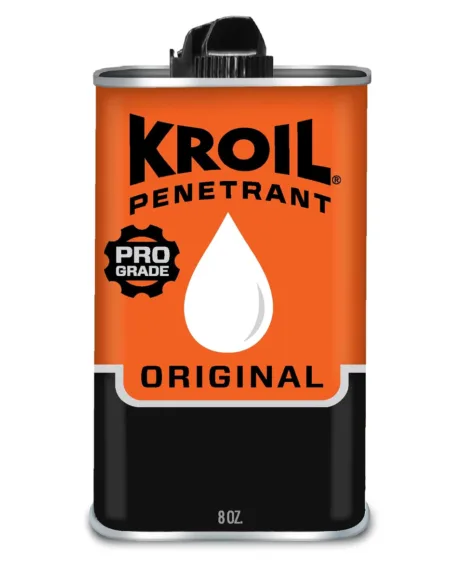
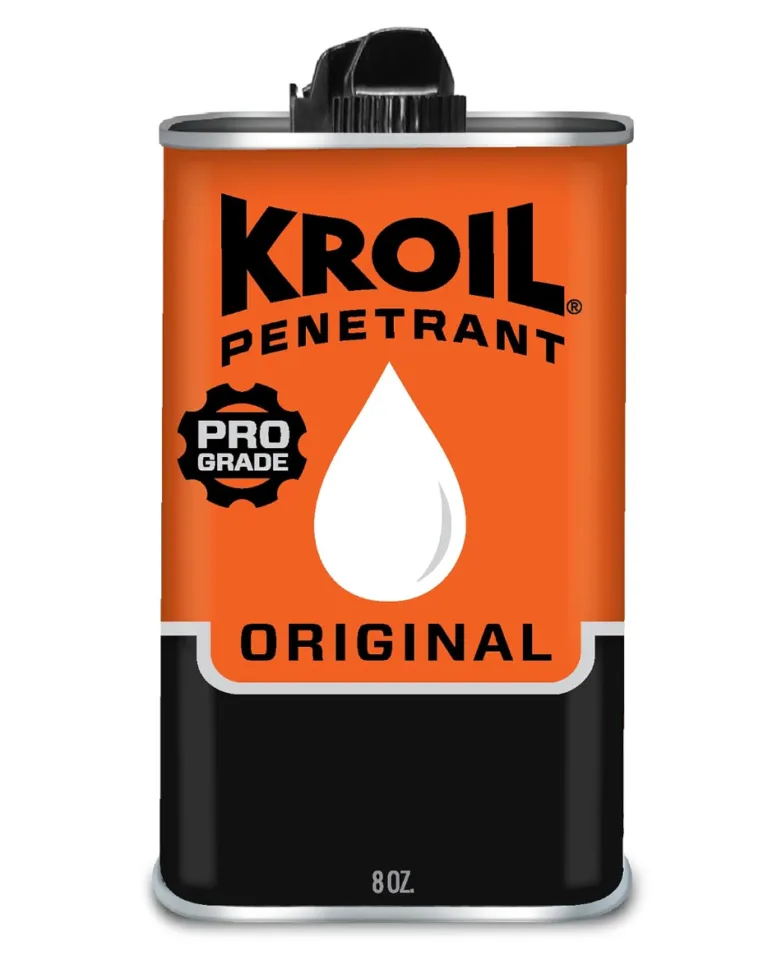
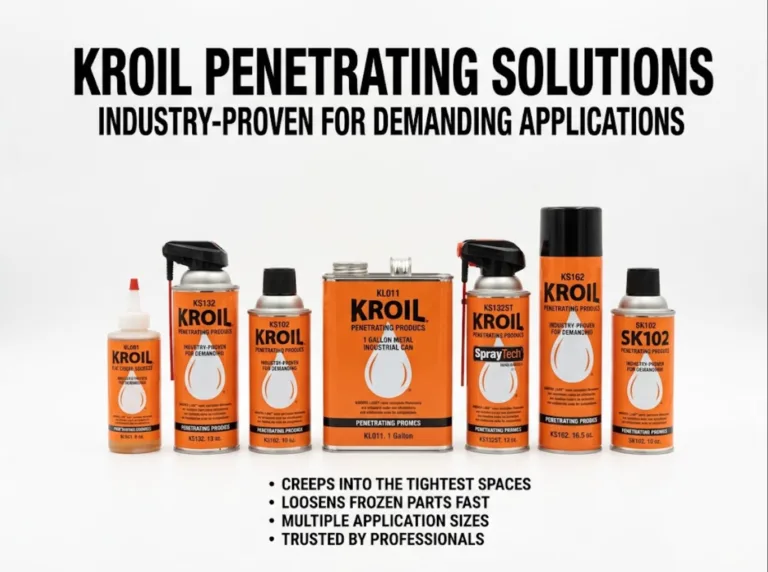
Kroil KL081 Original Penetrating Oil, 8 oz Drip Bottle
Original price was: $20.99.$19.99Current price is: $19.99.In stock — ships in 1–3 days
- Ground ship only
- Made in USA
-
Kroil
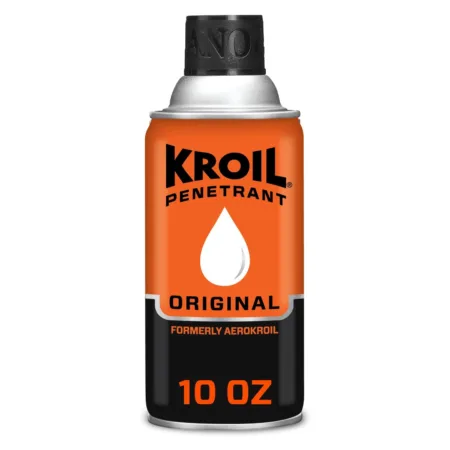
Kroil KS102 AeroKroil Original Penetrant, 10 oz Aerosol
Original price was: $26.99.$24.30Current price is: $24.30.In stock — ships in 1–3 days
- Ground ship only
- Made in USA
-
Kroil
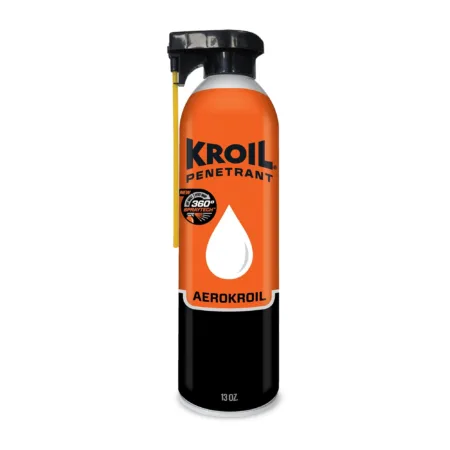
Kroil KS132ST AeroKroil with SprayTech, 13 oz Aerosol
Original price was: $32.99.$28.30Current price is: $28.30.In stock — ships in 1–3 days
- Ground ship only
-
Kroil
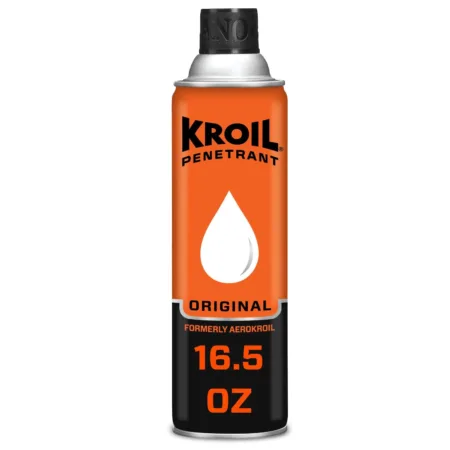
Kroil KS162 AeroKroil Original Penetrant, 16.5 oz Aerosol
Original price was: $35.99.$31.59Current price is: $31.59.In stock — ships in 1–3 days
- Ground ship only
- Made in USA
-
Kroil
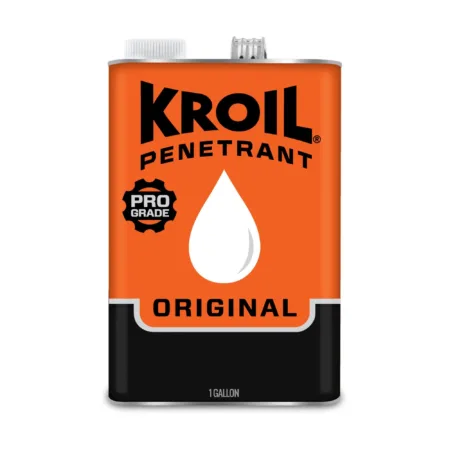
Kroil KL011 Original Penetrating Oil, 1 Gallon
Original price was: $147.99.$119.99Current price is: $119.99.Out of stock
- Ground ship only
- Made in USA
-
Kroil
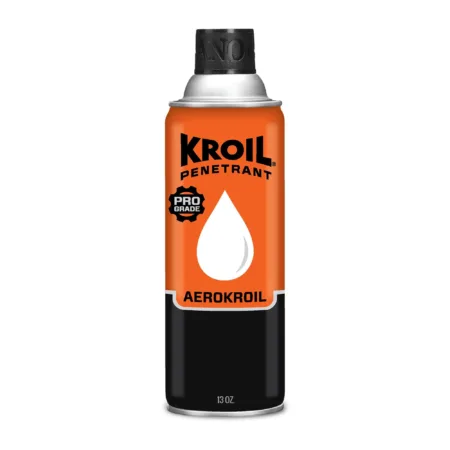
Kroil KS132 AeroKroil Original Penetrant, 13 oz Aerosol
Original price was: $31.99.$27.99Current price is: $27.99.Out of stock
- Ground ship only
- Made in USA
-
Kroil
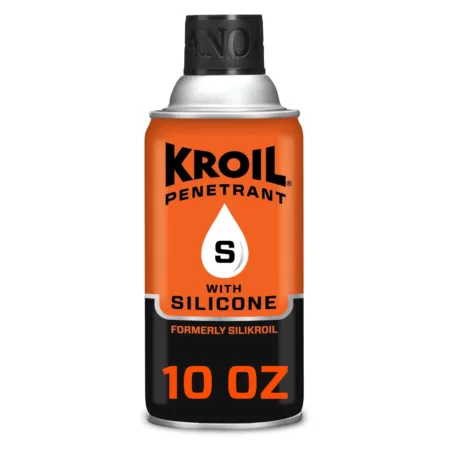
Kroil SK102 SiliKroil Penetrant with Silicone, 10 oz Aerosol
Original price was: $27.99.$24.99Current price is: $24.99.Out of stock
- Ground ship only
- Made in USA
How to choose a penetrating oil
| Situation | Pick | Why |
|---|---|---|
| Soaking large assemblies, shop rags, high-volume work | Kroil KL011, 1 gal or KL081 8 oz drip bottle | Kano says the liquid gives better value for high-volume jobs |
| Overhead, tight or remote fasteners | KS102, KS132 or KS162 aerosol | Directional spray for spot and field work |
| Spraying at odd angles or upside down | KS132ST with SprayTech | Kano says SprayTech dispenses every drop from any angle |
| Hinges, chains, gate valves, coastal equipment, parts near rubber or plastic | SiliKroil SK102 | Silicone adds lasting lubrication and helps displace moisture |
| Leaving a protective film after the part is free | Super Lube 83110 | Synthetic penetrating oil and corrosion inhibitor; passed a 500-hour salt spray test (ASTM B117) |
Where to use it
- Rusted nuts, bolts and fittings on vehicles, trailers and farm equipment
- Frozen shafts, pulleys, bearings and bearing mounts
- Equipment teardown in plants, utilities and aviation maintenance
- Hinges, slides and chains exposed to salt and weather (SiliKroil)
How to free a seized fastener
- Brush off loose rust and dirt so the oil can reach the threads.
- Apply until the threads and any visible corrosion are wet.
- Let it soak before you put a wrench on it; re-apply on badly corroded parts.
- Turn with steady pressure and avoid sudden impact until it starts to move. Working it back and forth while the oil is still wet often breaks the last of the bond.
Frequently asked questions
How long should penetrating oil sit?
Give Kroil 15 to 30 minutes for initial penetration. For heavily corroded or long-seized parts, Kano recommends a second coat and a soak of several hours or overnight.
Is penetrating oil the same as a lubricant?
Not exactly. A penetrant is made to break the rust bond and free the part; afterward, use a grease or oil made for the job, such as our greases and oils. SiliKroil is the exception here, since its silicone keeps lubricating after the part is free.
Will penetrating oil hurt rubber or plastic?
It can. Kano says Kroil is generally safe on most plastics and painted surfaces when used as directed, but prolonged contact with certain plastics or rubber compounds may cause softening or swelling. Near rubber seals and plastic parts, Kano points to SiliKroil.
How is penetrating oil different from WD-40?
WD-40 was developed as a water displacer and light lubricant, while Kroil is sold specifically as a penetrant for seized and corroded metal parts.
Related: Kroil penetrant guide and every Kroil part number and size. Kano's safety data sheets are collected under Technical & Safety Data Sheets.
Guides
 Kroil vs PB Blaster vs WD-40: What the Makers’ Data Actually ShowsA side-by-side look at Kroil, PB B'laster and WD-40 Multi-Use Product using each maker's own data sheets, plus the widely shared torque…Read the guide →
 AeroKroil vs Silikroil vs Liquid Kroil: Choosing the Right KroilLiquid Kroil and AeroKroil are the same penetrant in different packages; SiliKroil adds dimethyl silicone for lasting lubrication and moisture protection. A…Read the guide →
 Lubricant Temperature Chart: Temperature Range, NSF H1 and Compatibility for Greases, Oils, Contact Cleaners and SealantsA side-by-side chart of temperature range, NSF H1 registration, base, NLGI grade or viscosity, dielectric strength and rubber and plastic compatibility for…Read the guide →