
Showing all 10 results
-
Super Lube
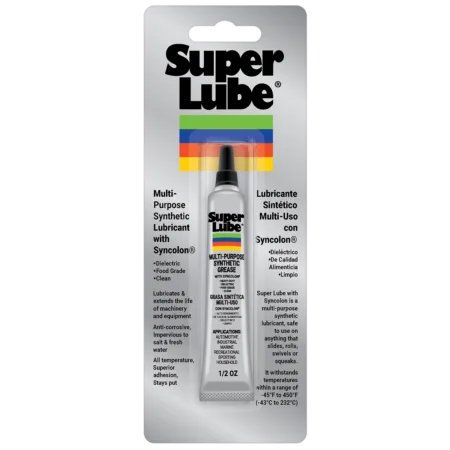
Super Lube 21010 Multi-Purpose Synthetic Grease with Syncolon, 0.5 oz Tube
Original price was: $25.18.$21.18Current price is: $21.18.In stock — ships in 1–3 days
- NSF H1 food grade
- Dielectric
-
Super Lube
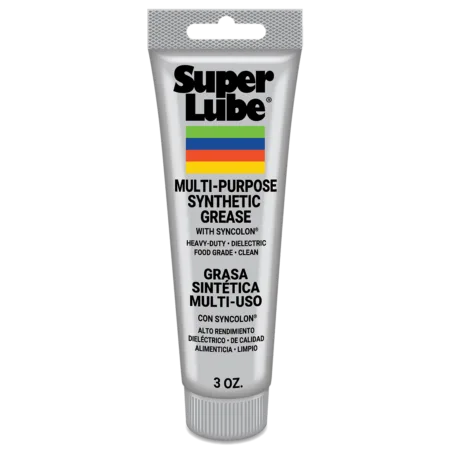
Super Lube 21030 Multi-Purpose Synthetic Grease with Syncolon, 3 oz Tube
$11.99In stock — ships in 1–3 days
- NSF H1 food grade
- Dielectric
-
Super Lube
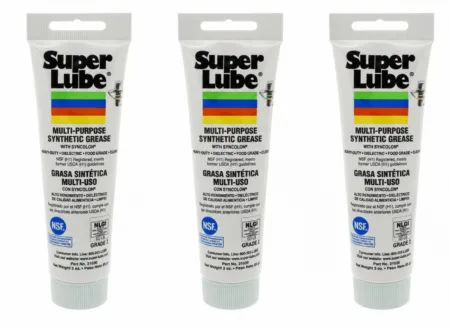
Super Lube 21030 Multi-Purpose Synthetic Grease with Syncolon, 3 oz Tube (Pack of 3)
$26.99$9.00 / tube
In stock — ships in 1–3 days
- NSF H1 food grade
- Dielectric
-
Super Lube
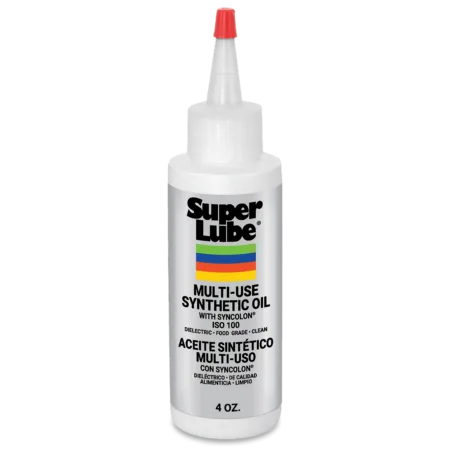
Super Lube 51004 Multi-Purpose Synthetic Oil with Syncolon, 4 oz Bottle
Original price was: $12.99.$9.99Current price is: $9.99.In stock — ships in 1–3 days
- NSF H1 food grade
- Made in USA
-
Super Lube
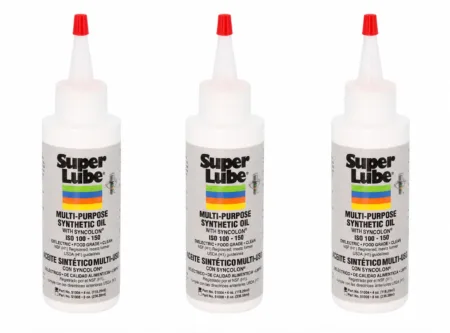
Super Lube 51004 Multi-Purpose Synthetic Oil with Syncolon, 4 oz Bottle (Pack of 3)
$28.99$9.66 / bottle
In stock — ships in 1–3 days
- NSF H1 food grade
- Made in USA
-
Super Lube
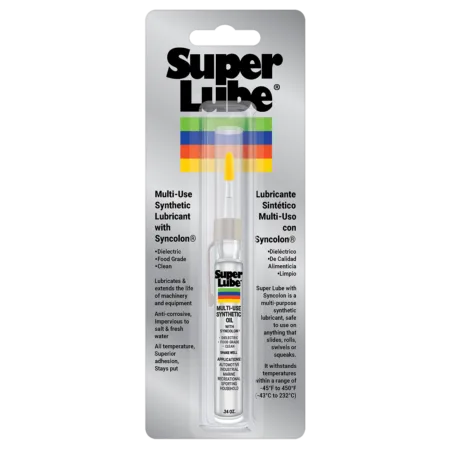
Super Lube 51010 Multi-Purpose Synthetic Oil with Syncolon, 7 mL Precision Oiler
Original price was: $24.39.$16.99Current price is: $16.99.In stock — ships in 1–3 days
- NSF H1 food grade
- Made in USA
-
Super Lube
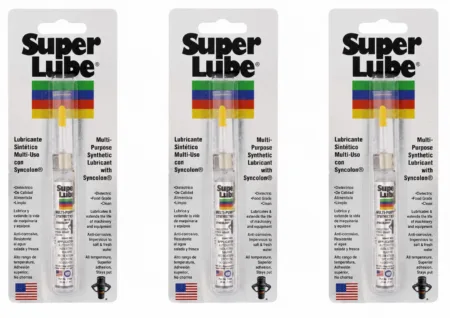
Super Lube 51010 Multi-Purpose Synthetic Oil with Syncolon, 7 mL Precision Oiler (Pack of 3)
$51.00$17.00 / oiler
In stock — ships in 1–3 days
- NSF H1 food grade
- Made in USA
-
Super Lube
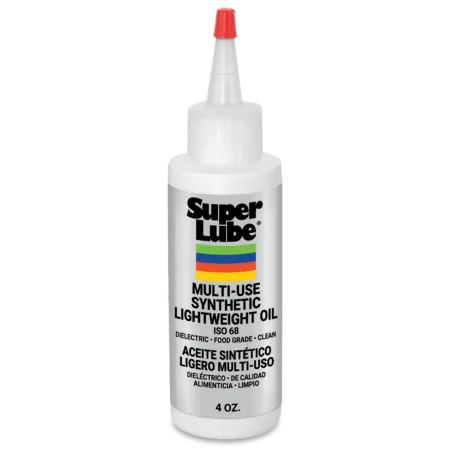
Super Lube 52004 Synthetic Lightweight Oil, 4 oz Bottle
Original price was: $13.99.$10.99Current price is: $10.99.In stock — ships in 1–3 days
- NSF H1 food grade
- Made in USA
-
Super Lube
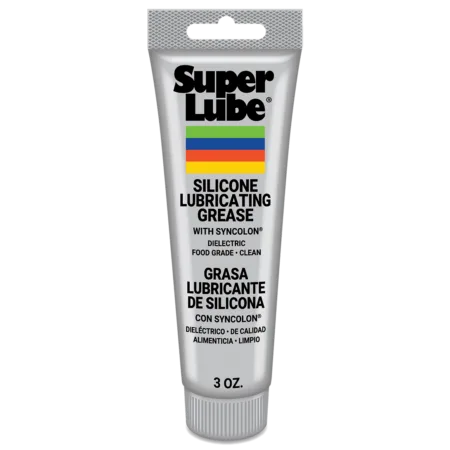
Super Lube 92003 Silicone Lubricating Grease with Syncolon, 3 oz Tube
Original price was: $14.99.$13.99Current price is: $13.99.In stock — ships in 1–3 days
- NSF H1 food grade
- Dielectric
-
Super Lube
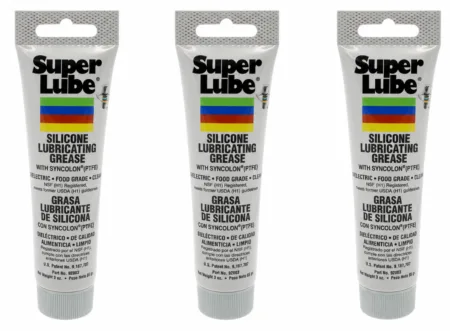
Super Lube 92003 Silicone Lubricating Grease with Syncolon, 3 oz Tube (Pack of 3)
$45.99$15.33 / tube
In stock — ships in 1–3 days
- NSF H1 food grade
- Dielectric
How to choose a 3D printer lubricant
| Printer part | Suggested product | Why |
|---|---|---|
| Linear rail carriages and ball bearings | Super Lube 21030, 3 oz or 21010, ½ oz | NLGI 2 PTFE grease that Super Lube lists for ball and roller bearings, cams and slides |
| Lead screws and threaded rods | 21010 or 21030 | A grease film stays on slow-moving, vertical threads; contains no silicone |
| Smooth rods with linear bearings | 51010 precision oiler, 7 mL or 51004, 4 oz | ISO 100 synthetic oil with PTFE; Super Lube lists bearings and machine ways |
| Light-load rods and small bearings | 52004 lightweight oil, 4 oz | ISO 68 synthetic oil; Super Lube lists bearings, horizontal slideways and sensitive instruments |
| Plastic bushings and gears, metal-to-plastic sliding | 92003 silicone grease, 3 oz | Super Lube lists plastic parts and gears, bushings, sleeves and plain bearings |
Where to lubricate on a printer
- Linear rail carriages and guide blocks
- Z-axis lead screws and their nuts
- Smooth rods and linear bearings on the bed and gantry axes
- Keep every lubricant off belts, the extruder drive gears and the build surface
How to apply
- Turn the printer off and let it cool.
- Wipe old lubricant and dust from the rail, rod or screw with a lint-free cloth.
- Apply a small amount: a thin bead of grease along a lead screw or into a rail carriage, or a few drops of oil along a rod.
- Move the axis through its full travel to spread it, then wipe off the excess.
Frequently asked questions
Should I use grease or oil on a 3D printer?
Grease for lead screws and rail carriages, where it has to stay in place, and light oil for smooth rods and bushings, where a thin film spreads better. Many printer makers specify one or the other, so check their guide first.
Is Super Lube safe on plastic printer parts?
Super Lube says its Multi-Use Synthetic Oil is safe on metal, plastic, wood, leather, painted surfaces and most rubbers, and that its silicone grease is compatible with the majority of rubber and plastic compounds. Test on unusual plastics first.
How often should I lubricate 3D printer rails?
Follow your printer maker's schedule. Super Lube does not publish a printer-specific interval, so re-lubricate when an axis starts to sound rough or the old film looks dry or dirty.
Does grease on the build plate matter?
Yes. Keep any lubricant, silicone or not, off the build surface, because residue there can spoil first-layer adhesion. Clean the plate if grease reaches it.
Related: Super Lube oil guide, including 51004 vs 52004, Super Lube grease guide and all greases and oils.