Kroil is a penetrating oil used to free rusted, seized and corroded metal parts: frozen nuts and bolts, stuck shafts and pulleys, bearings and bearing mounts, and equipment that has to be taken apart after years in service. Made by Kano Laboratories in Nashville, Tennessee, it works by creeping into the microscopic gaps between corroded surfaces and breaking the bond that holds them. It is not a rust remover and not a long-term lubricant, and knowing those limits is what makes it work well.
Products in this guide
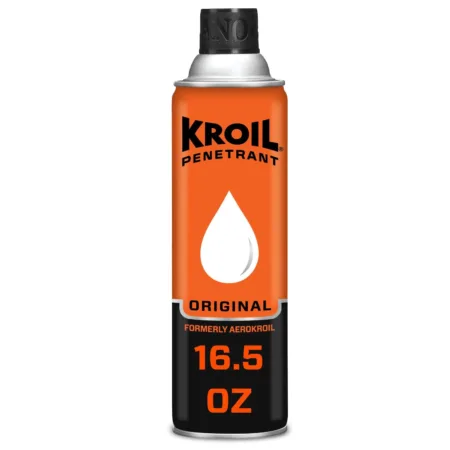
 Kroil KS162 AeroKroil Original Penetrant, 16.5 oz Aerosol Original price was: $35.99.$31.59Current price is: $31.59.
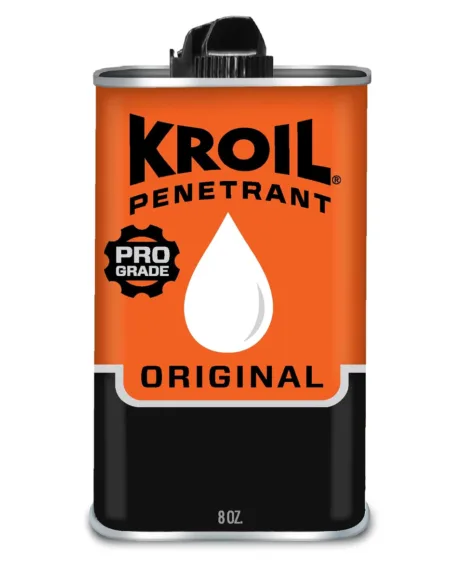
 Kroil KL081 Original Penetrating Oil, 8 oz Drip Bottle Original price was: $20.99.$19.99Current price is: $19.99.
What Kroil is used for
Kano lists a long range of applications for Kroil Original Penetrant. Grouped by where people use it:
- Automotive and fleet: lugs and lug nuts, hitches, engines and engine parts, and corroded fasteners on older vehicles.
- Farm, construction and heavy equipment: hinges and pins, bushings, chains and track pins, pillow blocks, gearboxes, winches and cranes.
- Industrial maintenance: conveyors, pumps, valves, shafts and pulleys, heat exchangers, printing presses and general equipment disassembly.
- Plumbing and HVAC: piping, plumbing fixtures and valves.
- Marine and outdoors: boats and marine equipment, chains, hinges, locks, castors and sporting equipment.
Kano says Kroil has been used to loosen bolts since 1939 and manufactured in Nashville since 1950.
How Kroil works
According to Kano, Kroil works through capillary action. Its low surface tension and small molecular structure let it flow into spaces between corroded metal surfaces where water and heavier oils cannot reach. Once inside, it displaces moisture, coats the surfaces with a thin lubricating film and reduces the friction and adhesion holding the part, so it turns with less force.
The formula is petroleum-based: Kano’s safety data sheet lists severely hydrotreated petroleum distillates (30 to 50%) and a low-vapor-pressure aliphatic hydrocarbon (20 to 40%). It is slightly reddish, and the liquid and aerosol contain the same product.
How long does Kroil take to work?
Kano’s answer: for most applications Kroil begins to penetrate within 15 to 30 minutes. For heavily corroded or deeply seized parts, a soak of several hours or overnight significantly improves results, and a second application after the first soak can loosen stubborn fasteners further. Patience usually beats a breaker bar.
- Brush off loose rust and dirt so the penetrant can reach the threads.
- Apply Kroil generously where the parts meet.
- Wait at least 15 to 30 minutes; for badly seized parts, leave it overnight.
- Apply again, then try the fastener with a well-fitting wrench or socket.
- Once it moves, work it back and forth, wipe off the excess and reassemble with the lubricant or anti-seize the part calls for.
Does Kroil remove rust?
Not chemically. Kano states plainly that, unlike rust removers, Kroil does not dissolve rust; it works around and beneath it so the part can be freed. Kano also says it helps remove rust and carbon deposits, in the sense that it loosens them so they wipe or brush away. If you need to strip rust from a surface, use a dedicated rust remover; Kroil’s job is to unstick parts.
Is Kroil flammable?
Yes. Kroil Original liquid has a flash point of 132°F (55.5°C) and is classified as a flammable liquid; the aerosols are flammable aerosols in pressurized cans that may burst if heated. The SDS also warns that it can cause skin and serious eye irritation and may be fatal if swallowed and it enters the airways. Keep it away from flames, sparks, torches and hot surfaces. If you plan to use heat on a stuck fastener, wipe the Kroil off first.
Is Kroil safe on plastic, rubber and paint?
Kano says Kroil is safe on steel, iron, aluminum, brass, copper and most metal alloys and will not attack metal. It is generally safe on most plastics and painted surfaces when used as directed, but prolonged contact with certain plastics or rubber compounds may cause softening or swelling. For rubber seals and plastic parts, Kano recommends SiliKroil (Kroil with silicone) as an alternative; our AeroKroil vs SiliKroil guide explains the difference.
Kroil for guns
Kano lists firearms among the industries that use Kroil. Its one caution concerns finish: if a blued finish is already damaged, Kroil can creep under it and lift the finish, so wipe any overspray off with a clean, dry cloth. For lubricating the action after a part is freed, use a light oil made for small mechanisms, such as Kano’s Microil.
Is Kroil safe to use indoors?
With ventilation. Kano says Kroil products should be used in well-ventilated areas, that the aerosol mist should not be inhaled, and that the liquid, which has a lower vapor pressure than the aerosol, is suitable for controlled indoor shop environments with adequate ventilation.
What Kroil is not for
- Long-term lubrication of loaded parts. The film is light by design; regrease bearings and pivots after freeing them.
- Food-contact equipment. Kroil Original liquid is NSF-listed as H2, a nonfood compound. For lubricants rated H1 for incidental food contact, see our food grade grease page.
- Rust removal or conversion. It loosens; it does not dissolve.
- Use near open flame or heat. It is flammable.
Is Kroil any good?
Kano has made it since the 1930s and documents how it works, what it is made of and how long to let it soak. Comparisons with other brands are mostly forum posts and an old magazine torque test that is widely repeated but hard to trace to its original source, so we do not quote those numbers here. The practical test is your own seized bolt: apply it, give it time, and apply it again.
Which Kroil to buy
- Kroil KS162 AeroKroil, 16.5 oz aerosol for reach into tight and overhead spots.
- Kroil KL081 Original, 8 oz drip bottle for precise application at the bench.
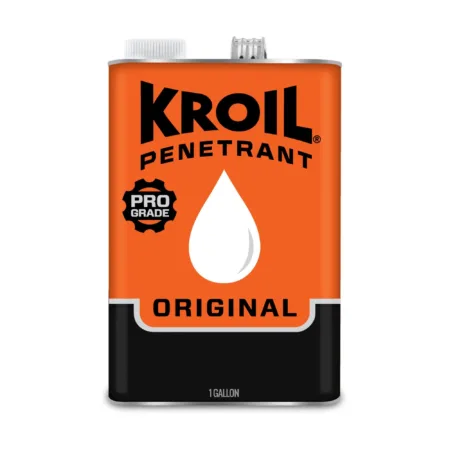
- Kroil KL011 Original, 1 gallon can for shops that soak parts or refill oil cans.
See every size on our Kroil page.
Frequently asked questions
What is Kroil made of?
Kano’s SDS lists severely hydrotreated petroleum distillates and a low-vapor-pressure aliphatic hydrocarbon. It is petroleum-based.
Does Kroil contain silicone?
Kroil Original does not list silicone; SiliKroil is the version with dimethyl silicone added.
Can Kroil be used as a lubricant?
Only lightly. It leaves a thin film, but freed parts that will keep working need a proper grease or oil.
Does Kroil evaporate?
Kano does not publish an evaporation rate. Treat it as a penetrant, not a permanent film, and reapply or follow with a lubricant.
Bottom line
Kroil frees seized and corroded metal parts by creeping into the gaps and breaking the corrosion bond; give it 15 to 30 minutes, or overnight for bad cases. It does not dissolve rust, it is flammable, and it is not a long-term lubricant. Not sure whether you need a penetrant, oil or grease? Use our product chooser.
Products in this guide
-
Kroil
Kroil KS162 AeroKroil Original Penetrant, 16.5 oz Aerosol
Original price was: $35.99.$31.59Current price is: $31.59.In stock — ships in 1–3 days
- Ground ship only
- Made in USA
-
Kroil
Kroil KL081 Original Penetrating Oil, 8 oz Drip Bottle
Original price was: $20.99.$19.99Current price is: $19.99.In stock — ships in 1–3 days
- Ground ship only
- Made in USA
-
Kroil
Kroil KL011 Original Penetrating Oil, 1 Gallon
Original price was: $147.99.$119.99Current price is: $119.99.Out of stock
- Ground ship only
- Made in USA
Sources
- Kano Laboratories: Kroil Original Penetrant (applications and FAQ)
- Kano Laboratories: Kroil Original Penetrant liquid SDS (09/2025)
- Kano Laboratories: AeroKroil (Original aerosol) SDS (10/2025)
- Kano Laboratories: SiliKroil, Kroil Penetrant with Silicone
- Kano Laboratories: Microil precision lubricant