Keg lube is a food grade lubricant for the O-rings and seals in kegs, keg couplers and other draft beer equipment. The name on the tube matters less than two things on its label: an NSF H1 registration, which covers incidental food contact, and a base that is compatible with your O-ring material. For nitrile (Buna-N), EPDM and Viton O-rings, Super Lube O-Ring Silicone Lubricant (56204, NSF H1 #156449) or Super Lube Silicone Lubricating Grease (92003, H1 #141974) fits. Silicone O-rings are the exception: Super Lube rates its silicone lubricants not compatible with silicone rubber, and rates its PTFE synthetic grease (21030, H1 #096790) good on silicone but not compatible with EPDM.
Products in this guide
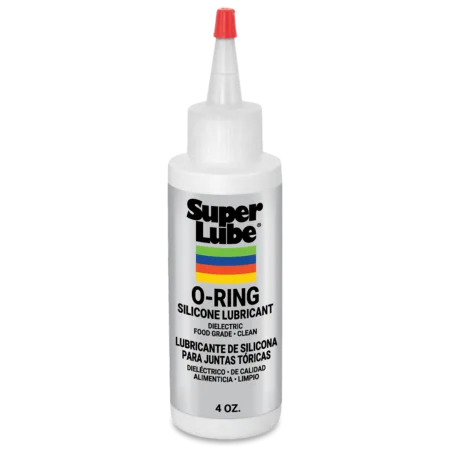
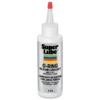 Super Lube 56204 O-Ring Silicone Lubricant, 4 oz Bottle Original price was: $14.99.$12.99Current price is: $12.99.
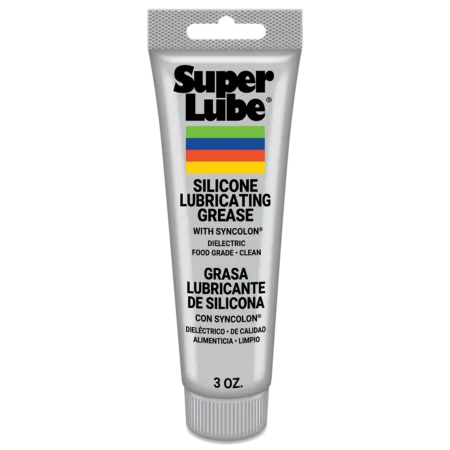
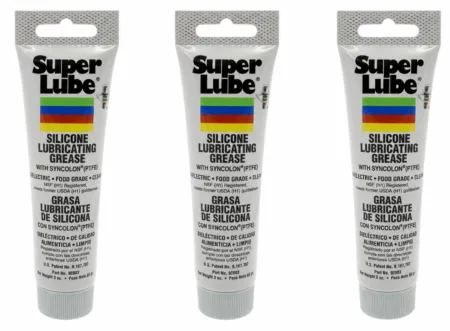
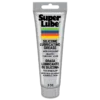 Super Lube 92003 Silicone Lubricating Grease with Syncolon, 3 oz Tube Original price was: $17.99.$15.59Current price is: $15.59.
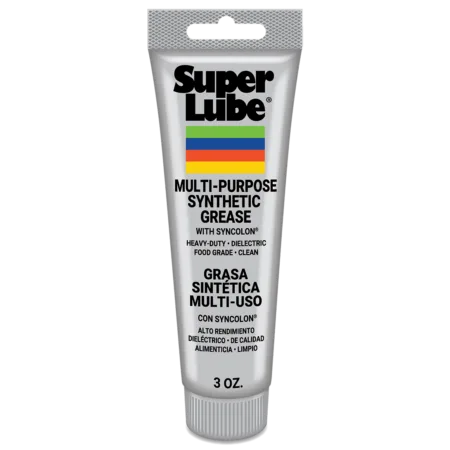
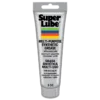 Super Lube 21030 Multi-Purpose Synthetic Grease with Syncolon, 3 oz Tube Original price was: $13.99.$12.39Current price is: $12.39.
FACTOVAL is not affiliated with Micro Matic. We quote its published draft equipment instructions because they are specific about lubrication.
What makes a lubricant “keg lube”
Keg lube describes a job, not a formula, so check what a product is made of and whether it is registered. Draft equipment maker Micro Matic tells users to “apply a food-grade lubricant to the o-rings that allow the coupler’s probe to slide.” Its party pump care sheet is more specific: “Use only FDA approved silicone lubricant,” and it names its own part, FT101L. If your equipment’s maker names a lubricant, that is the safe choice, especially while the equipment is under warranty. If you are looking for a keg lube alternative, the same two checks apply: NSF H1 on the label and a rating for your O-ring material.
On a label, food grade is verified by NSF H1 registration. NSF’s H1 certificates describe a lubricant acceptable where the lubricated part may be exposed to food, including use “as a release agent on gaskets or seals of tank closures,” and note that the program is based on FDA requirements under 21 CFR. H1 means incidental contact, in the minimum amount that does the job; it does not make a lubricant an ingredient. For the H1, H2 and HT1 categories, see what NSF H1 means. Super Lube lists brewers among the use cases on its food and beverage page, and its food and beverage presentation names its O-Ring Silicone Grease and O-Ring Silicone Oil for O-rings and seals.
Where keg lube goes in a draft system
| Part | What to do | Basis |
|---|---|---|
| Keg coupler probe O-rings | Keep them lubricated so the probe moves freely; re-lube sparingly after each cleaning | Micro Matic cleaning instructions and lubricant page |
| Party pump plunger O-ring | Slight lubrication from time to time; over-lubricating affects pumping | Micro Matic iPump care sheet |
| Ball lock and pin lock keg O-rings (lid, posts, dip tubes) | A thin film helps an O-ring seat and protects it from pinching or cutting during assembly | Super Lube O-ring lubricant data sheet (O-rings in general) |
| Faucet washers and shaft seat | Inspect after cleaning and replace when worn; the instructions don’t call for lubricant here | Micro Matic cleaning instructions |
Faucet designs differ. Lube a faucet O-ring only where the faucet maker’s rebuild instructions call for it, and use the same kind of H1, material-matched product you use on the coupler.
Match the lube to your O-ring material
Material matters as much as the food grade rating. Kegs, couplers and faucets use O-rings in several rubbers, and Super Lube’s own compatibility charts show that no single lubricant in its range suits all of them:
| O-ring material | Super Lube silicone lubricants (56204, 92003) | Super Lube synthetic grease (21030) |
|---|---|---|
| Nitrile (NBR, Buna-N) | Excellent | Excellent |
| EPDM | Excellent | Not compatible |
| Viton (FKM) | Excellent | Excellent |
| Silicone (VMQ) | Not compatible | Good |
Super Lube’s synthetic oils, such as 51004 and 52004, carry the same EPDM rating as its synthetic grease, not compatible, so they are not a keg lube substitute on EPDM seals. Petroleum products are a poor match for EPDM too; our guide on what grease to use on O-rings explains why. If you don’t know what your O-rings are made of, check the replacement kit or ask the parts supplier before you choose a lubricant.
How to lube keg and coupler O-rings
Take equipment apart only as its maker’s instructions describe. The lubrication itself is simple:
- Clean the system first. Micro Matic recommends cleaning after every keg change or at least every two weeks for home systems, and at least every two weeks for commercial ones, or following Brewers Association and state guidelines.
- Inspect the seals. Micro Matic’s cleaning instructions have you check the coupler’s probe O-rings and bottom seal, and the faucet’s friction washer, coupling washer and shaft seat. Replace any seal that is cut, cracked or flattened; lubricant won’t fix a damaged O-ring.
- Clean and dry the O-ring and its groove.
- Apply a thin film with a clean finger, cloth or brush. Micro Matic says coupler probes should be “sparingly re-lubricated” after cleaning and that only a very small amount is needed.
- Reassemble and wipe off any excess, especially where beer flows. NSF’s H1 wording calls for the minimum amount required.
- Repeat on the coupler probe after each cleaning, so it slides freely when you tap and untap a keg. Micro Matic says this prevents wear and tear on the coupler.
Fluid or grease: choosing a Super Lube product
- Super Lube 56204 O-Ring Silicone Lubricant, 4 oz bottle: a clear, non-curing silicone fluid (5,000 cSt) made for O-rings, seals and valves, NSF H1 #156449. Super Lube says it helps protect an O-ring from abrasion, pinching or cutting during installation and helps it seat properly. A fluid spreads a thin, even film, which is handy when you are doing many small O-rings at once.
- Super Lube 92003 Silicone Lubricating Grease with Syncolon, 3 oz tube: a translucent NLGI 2 silicone grease, registered H1 and HT1 under #141974. Its data sheet lists excellent resistance to water washout (under 1%, ASTM D1264), so choose it when you want a film that stays where you put it.
- Super Lube 21030 Multi-Purpose Synthetic Grease, 3 oz tube: a silicone-free PTFE synthetic grease, NSF H1 #096790, whose data sheet lists O-ring lubrication and food processing equipment among its uses. Of the three, it is the one rated for silicone O-rings (good), and it also suits nitrile and Viton, but not EPDM.
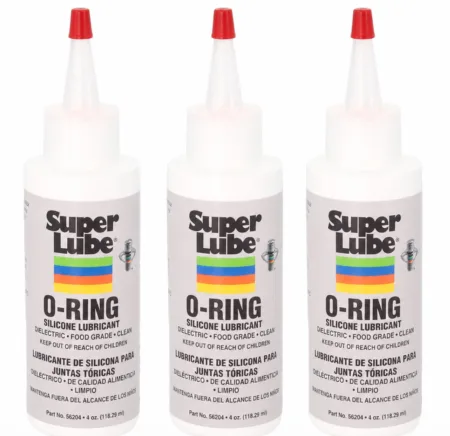
Bars, taprooms and homebrewers who look after several taps or a stack of kegs can order each one as a 3-pack: 56204 3-pack, 92003 3-pack or 21030 3-pack.
Frequently asked questions
What is keg lube made of?
It depends on the product, because keg lube is a use, not a formula. Check the label for the base and an NSF H1 registration; the Super Lube options here are silicone (56204, 92003) or PTFE synthetic grease (21030).
Can I use petroleum jelly as keg lube?
Not on EPDM O-rings, and only if the label shows an NSF H1 registration. Petroleum products are not compatible with EPDM, as our O-ring grease guide explains.
Is silicone keg lube OK on silicone O-rings?
Super Lube says no for its own products: it rates its silicone lubricants not compatible with silicone rubber. Its 21030 synthetic grease is rated good on silicone; if in doubt, ask the O-ring maker.
How often should I lube keg O-rings?
Micro Matic says to re-lube coupler probes sparingly after cleaning, and to clean home systems after every keg change or at least every two weeks. Lube keg lid, post and dip tube O-rings when you service the keg or fit new ones.
Will keg lube stop a leaking keg lid?
It can help a sound O-ring seat properly, which Super Lube lists as a benefit of lubricating at installation. A cut, cracked or flattened O-ring has to be replaced.
Bottom line
Keg lube is any NSF H1 lubricant that matches your O-ring material, used in the thinnest film that does the job. Use Super Lube’s silicone lubricants on nitrile, EPDM and Viton; use its PTFE synthetic grease on silicone O-rings and never on EPDM; and follow your equipment maker where it names its own lubricant. Shop all food grade greases and NSF H1 lubricants or O-ring lubricants, and download data sheets from our technical documents page.
Products in this guide
-
Super Lube
Super Lube 56204 O-Ring Silicone Lubricant, 4 oz Bottle
Original price was: $14.99.$12.99Current price is: $12.99.In stock — ships in 1–2 days
- NSF H1 food grade
- Dielectric
-
Super Lube
Super Lube 92003 Silicone Lubricating Grease with Syncolon, 3 oz Tube
Original price was: $17.99.$15.59Current price is: $15.59.In stock — ships in 1–2 days
- NSF H1 food grade
- Dielectric
-
Super Lube
Super Lube 21030 Multi-Purpose Synthetic Grease with Syncolon, 3 oz Tube
Original price was: $13.99.$12.39Current price is: $12.39.In stock — ships in 1–2 days
- NSF H1 food grade
- Dielectric
-
Super Lube
Super Lube 56204 O-Ring Silicone Lubricant, 4 oz Bottle (Pack of 3)
Original price was: $34.99.$31.90Current price is: $31.90.$10.63 / bottle
In stock — ships in 1–2 days
- NSF H1 food grade
- Dielectric
-
Super Lube
Super Lube 92003 Silicone Lubricating Grease with Syncolon, 3 oz Tube (Pack of 3)
Original price was: $45.99.$41.30Current price is: $41.30.$13.77 / tube
In stock — ships in 1–2 days
- NSF H1 food grade
- Dielectric
Sources
- Micro Matic, Draft beer FAQ: how often to clean equipment
- Micro Matic, Cleaning Kit Use Instructions for CK-1100 and CK-1200 (PDF)
- Micro Matic, Pump and Probe Keg Lubricant product page
- Micro Matic, iPump Use and Care sheet (PDF)
- Super Lube, Food and Beverage industry page
- Super Lube, Food and Beverage presentation (PDF)
- Super Lube, Compatibility Chart for Plastics and Elastomers (PDF)
- Super Lube, Multi-Purpose Synthetic Grease compatibility chart (PDF)
- Super Lube, Silicone Lubricating Grease compatibility chart (PDF)
- Super Lube, O-Ring Silicone Lubricant compatibility chart (PDF)
- Super Lube O-Ring Silicone Lubricant technical data sheet (March 2024): FACTOVAL technical documents page
- Super Lube Silicone Lubricating Grease with Syncolon technical data sheet (March 2024): FACTOVAL technical documents page
- Super Lube Multi-Purpose Synthetic Grease with Syncolon technical data sheet (August 2024): FACTOVAL technical documents page
- NSF certificate, O-Ring Silicone Lubricant, H1, Reg. #156449
- NSF certificate, Silicone Lubricating Grease with Syncolon, H1 and HT1, Reg. #141974
- NSF certificate, Multi-Purpose Synthetic Grease with Syncolon, H1, Reg. #096790