
Showing all 8 results
-
Super Lube
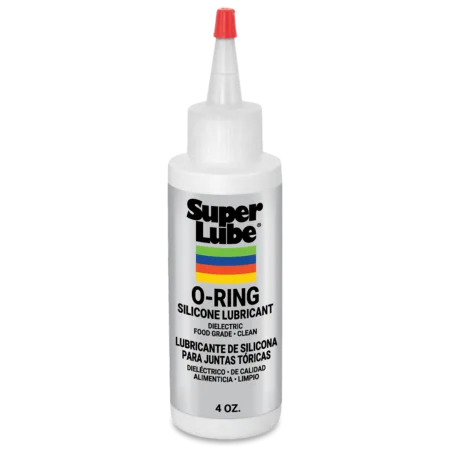
Super Lube 56204 O-Ring Silicone Lubricant, 4 oz Bottle
Original price was: $14.99.$12.99Current price is: $12.99.In stock — ships in 1–2 days
- NSF H1 food grade
- Dielectric
-
Super Lube
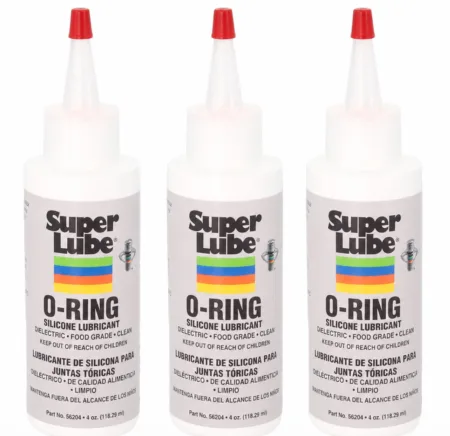
Super Lube 56204 O-Ring Silicone Lubricant, 4 oz Bottle (Pack of 3)
Original price was: $34.99.$31.90Current price is: $31.90.$10.63 / bottle
In stock — ships in 1–2 days
- NSF H1 food grade
- Dielectric
-
Super Lube
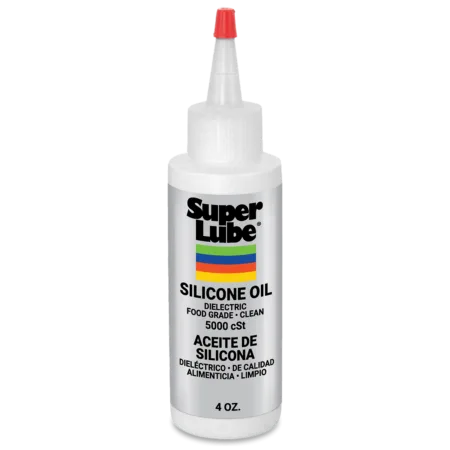
Super Lube 56504 Silicone Oil 5000 cSt, 4 oz Bottle
Original price was: $14.80.$12.99Current price is: $12.99.In stock — ships in 1–2 days
- NSF H1 food grade
- Dielectric
-
Super Lube
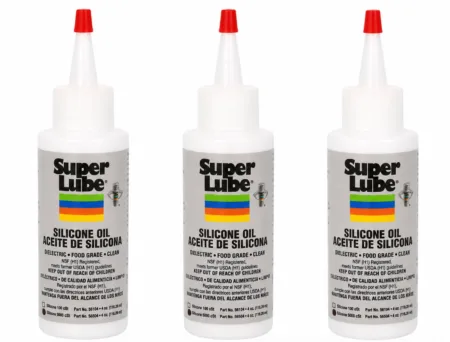
Super Lube 56504 Silicone Oil 5000 cSt, 4 oz Bottle (Pack of 3)
Original price was: $30.90.$28.59Current price is: $28.59.$9.53 / bottle
In stock — ships in 1–2 days
- NSF H1 food grade
- Dielectric
-
Super Lube
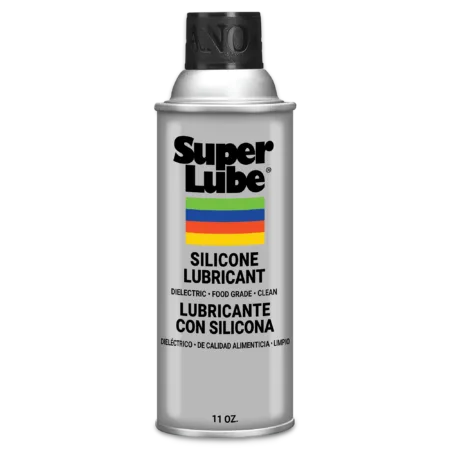
Super Lube 91110 Silicone Lubricant, 11 oz Aerosol
Original price was: $16.99.$15.19Current price is: $15.19.In stock — ships in 1–2 days
- Ground ship only
- NSF H1 food grade
-
Super Lube
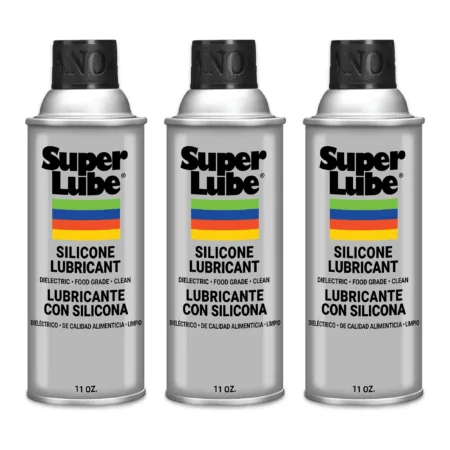
Super Lube 91110 Silicone Lubricant, 11 oz Aerosol (Pack of 3)
Original price was: $45.57.$40.99Current price is: $40.99.$13.66 / can
In stock — ships in 1–2 days
- Ground ship only
- NSF H1 food grade
-
Super Lube
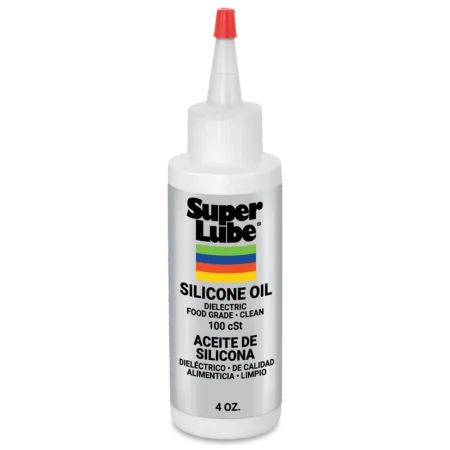
Super Lube 56104 Silicone Oil 100 cSt, 4 oz Bottle
Original price was: $16.99.$15.39Current price is: $15.39.Out of stock
- NSF H1 food grade
- Dielectric
-
Super Lube
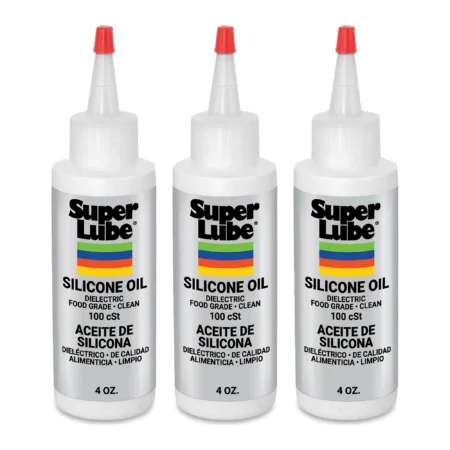
Super Lube 56104 Silicone Oil 100 cSt, 4 oz Bottle (Pack of 3)
Original price was: $46.17.$40.99Current price is: $40.99.$13.66 / bottle
Out of stock
- NSF H1 food grade
- Dielectric
How to choose a silicone oil
Start with viscosity: a thin oil flows into tight clearances and circulates, a thick one stays on the part. Both Super Lube oils share the same temperature range.
| Product | Viscosity and form | Rated temperature | Use it for |
|---|---|---|---|
| Super Lube 56104 Silicone Oil 100 cSt, 4 oz | 100 cSt at 25°C; the thin grade | -58°F to 392°F (-50°C to 200°C) | Instruments and gauges, flow and motion control, lab baths and heat transfer, damping fluid |
| Super Lube 56504 Silicone Oil 5,000 cSt, 4 oz (also a 3-pack) | 5,000 cSt at 25°C; the thick grade | -58°F to 392°F (-50°C to 200°C) | Humidity and level instruments, underwater camera and ROV equipment, rubber and plastic parts |
| Super Lube 56204 O-Ring Silicone Lubricant, 4 oz (also a 3-pack) | Non-curing silicone fluid, 5,000 cSt at 25°C | -58°F to 392°F (-50°C to 200°C) | O-rings, pneumatic systems, faucet and water-softener valves, pool filter seals |
| Super Lube 91110 Silicone Lubricant, 11 oz | Aerosol; translucent, non-drying film | -40°F to 392°F (-40°C to 200°C) | Gaskets and grommets, weather stripping, locks and windows, treadmills, mold release |
Where silicone oil is used
- Instruments and labs: flow, temperature and motion control, gauges exposed to extreme temperatures and pressures, and lab baths and heat transfer (100 cSt); humidity and level instruments (5,000 cSt).
- Damping: dashpots, shock absorbers and damping fluid.
- Underwater gear: camera equipment, robotics and ROVs (5,000 cSt).
- Rubber and plastic parts: both oils lubricate a wide range of them; for O-rings, 56204 is the dedicated fluid.
- Food processing equipment: all four products are NSF H1 registered (oils #151067, 56204 #156449, 91110 #136589).
How to apply
- Clean and dry the area to be treated.
- Apply a thin film. With 91110, work in a well-ventilated area, shake the can before and during use and spray from about 8 inches.
- Re-apply as necessary.
Cautions: Super Lube rates silicone rubber (VMQ, MQ, FMQ, PMQ, VMFQ) not compatible with 56204, and advises caution with the 91110 spray on plastics and painted or lacquered finishes. The spray is an extremely flammable aerosol; read the SDS.
Frequently asked questions
What is 100 cSt silicone oil?
A thin silicone fluid with a viscosity of 100 centistokes at 25°C. Super Lube lists its 56104 for instruments, motion control, damping and lab bath use.
Should I buy 100 cSt or 5,000 cSt?
Choose 100 cSt when the oil has to flow into small clearances or circulate; choose 5,000 cSt when it has to stay on the part. At 25°C the 5,000 cSt grade is fifty times as viscous.
Is silicone oil safe for plastic and rubber?
For most parts, yes. Super Lube rates ABS, nylon, polycarbonate, PVC, EPDM, nitrile and Viton excellent with 56204 but silicone rubber not compatible, and advises caution with the 91110 spray on plastics.
Is silicone oil food grade?
All four products on this page are NSF H1 registered, which means acceptable where incidental food contact may occur, not edible; see what NSF H1 means.
Is silicone oil conductive?
No. Super Lube lists a dielectric strength of 16 kV/mm (100 cSt) and 18 kV/mm (5,000 cSt) at 25°C.
Related: O-ring lubricants, NSF H1 lubricants, the Super Lube oil guide and our Technical & Safety Data Sheets.
Guides
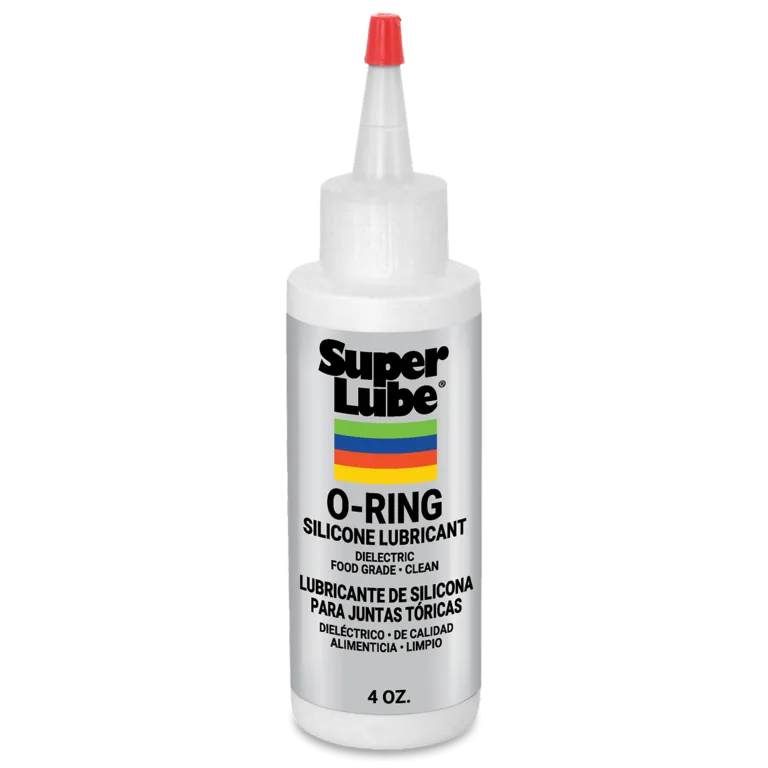 Keg Lube: What to Use on Keg, Coupler and Tap O-RingsKeg lube is any NSF H1 food grade lubricant that suits your O-ring material. Where it goes in a draft system, which…Read the guide →
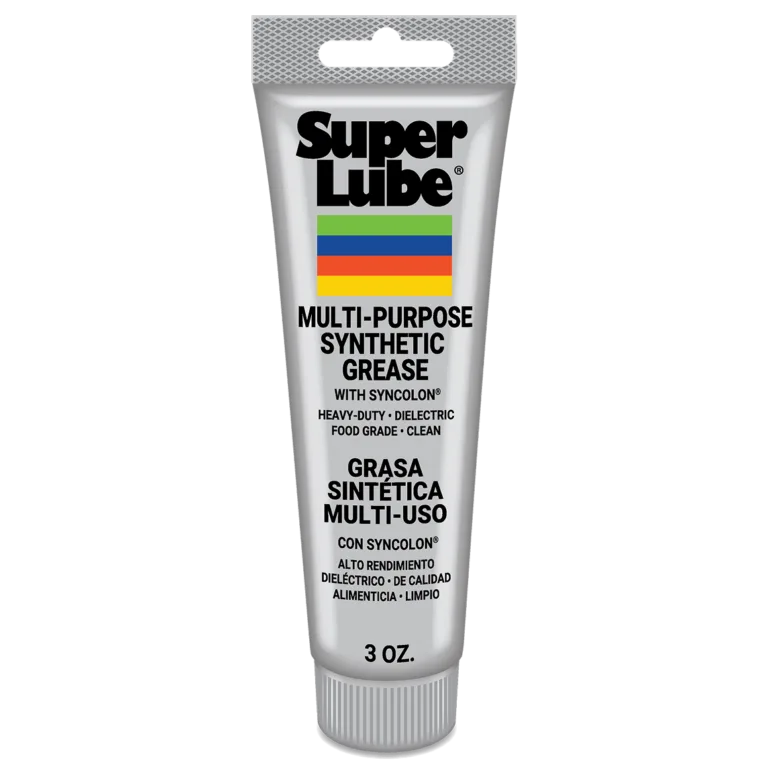 Lubricant Temperature Chart: Temperature Range, NSF H1 and Compatibility for Greases, Oils, Contact Cleaners and SealantsA side-by-side chart of temperature range, NSF H1 registration, base, NLGI grade or viscosity, dielectric strength and rubber and plastic compatibility for…Read the guide →
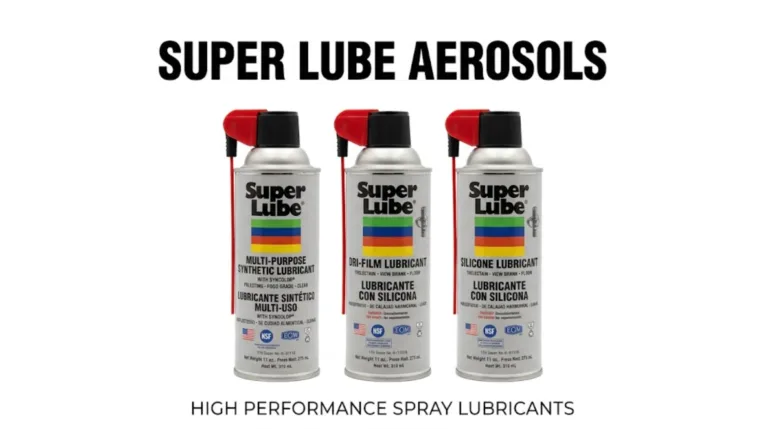 Silicone Spray vs PTFE Dry Lube vs Synthetic Spray Grease: Which Aerosol?Silicone spray leaves a wet film for rubber and weatherstripping, PTFE dry film leaves a clean coating that does not attract dust,…Read the guide →